Travell and Simons Trigger Point manuals and charts guide you through understanding and treating muscle pain. Their work maps pain patterns linked to trigger points in the body.
These resources focus on myofascial pain, caused by tight muscle knots called trigger points. The manuals explain how these points cause pain in different body areas. Charts and flipbooks help identify pain patterns visually. They cover upper and lower body regions, making it easier to find and treat affected muscles.
These tools support therapists and individuals in managing pain without complex language or medical jargon. Clear illustrations and simple explanations make the material accessible. Whether you want to learn self-treatment or improve professional care, these materials offer a practical approach to muscle pain relief.
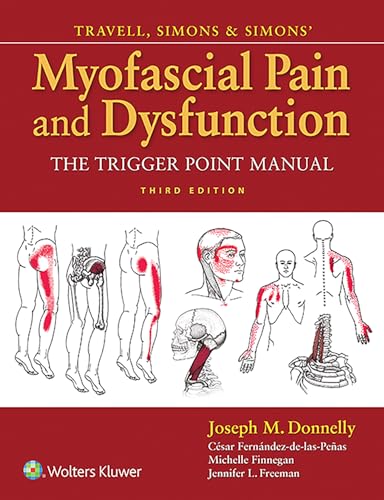
Travell And Simons’ Myofascial Pain And Dysfunction: The Trigger Point Manual

Travell and Simons’ Myofascial Pain and Dysfunction: The Trigger Point Manual is ideal for healthcare professionals, physical therapists, and students specializing in pain management and musculoskeletal therapy. Those seeking an authoritative and comprehensive resource on myofascial pain and trigger point therapy will find this manual indispensable for both clinical practice and academic study.
Pros:
- Extensive coverage with 1312 pages of detailed content on trigger point anatomy and treatment.
- Published by the reputable Lippincott Williams and Wilkins (LWW), ensuring authoritative and reliable information.
- Compact dimensions (11.0 x 8.75 x 1.5 inches) make it portable for clinical use.
- Third edition includes updated research and refined therapeutic techniques.
- Well-organized structure facilitates easy navigation through complex concepts.
Cons:
- Relatively heavy at approximately 2.3 pounds, which may be cumbersome for some users.
- Due to its depth and volume, it might be overwhelming for beginners or casual readers.
- Published in 2013, some newer research developments might not be included.
This manual offers an in-depth exploration of trigger points and their role in myofascial pain and dysfunction. Its comprehensive nature allows practitioners to accurately diagnose and effectively treat various musculoskeletal conditions. The detailed illustrations and clinical guidelines enhance understanding and practical application, ultimately improving patient outcomes.
Additionally, the book’s thorough explanations of muscle anatomy and pain referral patterns enable users to connect theory with real-world therapy. Its status as the third edition reflects continual improvements and incorporation of contemporary findings, making it a valuable reference for both learning and clinical decision-making.
Travell, Simons & Simons’ Trigger Point Pain Patterns Flip Charts

The Travell, Simons & Simons’ Trigger Point Pain Patterns Flip Charts are ideal for healthcare professionals such as physical therapists, massage therapists, chiropractors, and medical students who need a clear and concise visual reference for diagnosing and treating musculoskeletal pain. This flip chart is perfect for those seeking an easy-to-use, portable resource that illustrates common trigger point pain patterns effectively.
Pros:
- Comprehensive visual guide with 24 detailed pages illustrating trigger point pain patterns.
- Compact and lightweight design (approximately 0.47 pounds) for easy portability and quick reference.
- Produced by Wolters Kluwer Health, ensuring professional quality and accuracy.
- Updated 2nd edition published in 2022 with current information.
- Durable flip chart format allows for easy handling and long-term use in clinical settings.
Cons:
- Limited to 24 pages, which might not cover all rare or complex trigger point patterns.
- Physical flip chart format may not be as convenient as digital alternatives for some users.
- Primarily focused on pain patterns, so may require additional resources for comprehensive treatment plans.
The Travell, Simons & Simons’ Trigger Point Pain Patterns Flip Charts provide a practical and visually engaging tool designed to enhance the understanding of muscle pain and trigger points. Each page clearly illustrates specific pain referral patterns, making it easier for professionals to identify and address patient issues accurately. The flip chart’s durable and portable design is especially beneficial for clinicians who need a reliable reference during patient consultations or therapy sessions.
With its recent 2022 publication and backing by Wolters Kluwer Health, users can trust the accuracy and relevance of the content. The compact dimensions (approximately 14.96 inches by 11.81 inches) make it easy to store and handle in busy clinical environments. Overall, this flip chart is a valuable addition to any healthcare provider’s toolkit, helping improve patient outcomes through better diagnosis and treatment of trigger point-related pain.
Myofascial Pain And Dysfunction: The Trigger Point Manual

The book Myofascial Pain and Dysfunction: The Trigger Point Manual: Volume 2: The Lower Extremities is ideal for healthcare professionals such as physical therapists, massage therapists, chiropractors, and medical practitioners who specialize in pain management and rehabilitation. It is also beneficial for students and educators in the fields of anatomy, kinesiology, and musculoskeletal therapy looking to deepen their understanding of trigger points and lower extremity dysfunction.
Pros:
- Comprehensive coverage of myofascial pain and trigger points in the lower extremities.
- Detailed illustrations and descriptions to aid in identification and treatment.
- Published by a reputable brand, LWW (Lippincott Williams and Wilkins).
- Extensive content with 628 pages providing in-depth knowledge.
- Durable physical dimensions making it a convenient reference book.
Cons:
- Publication date (1992) may mean some information is dated compared to recent research.
- Relatively heavy (2.85 pounds), which might not be ideal for portable use.
- Focuses exclusively on the lower extremities, requiring other volumes for full body coverage.
This manual offers a detailed and systematic approach to understanding the complex nature of myofascial pain and dysfunction related to the lower extremities. The extensive illustrations and clear descriptions help practitioners accurately identify trigger points, which enhances diagnostic accuracy and treatment effectiveness. Its thorough coverage supports the development of targeted therapeutic strategies for patient relief.
By integrating anatomical detail with clinical application, this volume benefits users by improving their ability to deliver specialized care. Whether used as a primary reference or a supplementary resource, it aids in advancing professional knowledge and treatment outcomes. The book’s structure allows for easy navigation through various muscle groups, making it a valuable asset for both learning and practical use.
Travell & Simons’ Myofascial Pain And Dysfunction: The Trigger Point Manual

Travell & Simons’ Myofascial Pain and Dysfunction: The Trigger Point Manual: Volume 1: Upper Half of Body is ideal for healthcare professionals such as physical therapists, massage therapists, chiropractors, and medical practitioners who specialize in pain management and musculoskeletal disorders. This comprehensive manual is also valuable for students and researchers interested in understanding and treating myofascial pain syndrome and trigger points in the upper half of the body.
Pros:
- Extensive coverage with over 1064 pages of detailed content.
- Comes from a reputable brand and manufacturer, LWW and Lippincott Williams and Wilkins.
- Provides in-depth illustrations and clinical information on trigger points and their treatment.
- Comprehensive reference for diagnosing and managing myofascial pain.
- Durable physical dimensions suitable for frequent professional use (10.5 x 7.75 x 2 inches, weighing ~4.4 pounds).
Cons:
- Relatively heavy and bulky to carry around.
- The publication date (1998) means some content may be outdated compared to newer research.
- May be overwhelming for beginners due to its extensive detail and technical language.
This second edition manual offers a detailed and authoritative exploration of the upper half of the body’s myofascial pain and dysfunction. Each section meticulously describes trigger points, their referred pain patterns, and clinical methods for treatment, making it an indispensable tool for practitioners aiming to improve patient outcomes. The inclusion of numerous illustrations enhances the learning experience by visually demonstrating key concepts and techniques.
Beyond its educational value, the manual’s comprehensive approach allows professionals to develop precise diagnosis skills and effective treatment plans. Users benefit from evidence-based guidance that supports better pain management strategies, ultimately improving patient care. Despite its size and age, the manual remains a cornerstone resource in the study and treatment of myofascial pain syndrome.
Trigger Point Manual

The Trigger Point Manual (v. 1) (Myofascial Pain and Dysfunction) is ideal for healthcare professionals, physical therapists, massage therapists, and students specializing in musculoskeletal pain and therapy. This comprehensive manual is designed for those seeking an in-depth understanding of myofascial pain and effective methods to diagnose and treat trigger points.
Pros:
- Extensive coverage with 713 pages of detailed information.
- Published by the reputable Lippincott Williams and Wilkins brand and manufacturer.
- Provides clear explanations of trigger point therapy techniques.
- Includes practical applications for managing myofascial pain and dysfunction.
- Comprehensive resource suitable for both learning and clinical reference.
Cons:
- The book’s size and weight (over 3 pounds and large dimensions) may make it less portable.
- Published in 1983, some content may be outdated compared to newer research.
This manual offers a thorough exploration of trigger points and their impact on musculoskeletal health. Its detailed illustrations and explanations help users identify the location and characteristics of painful areas, facilitating precise treatment planning. The manual’s structure supports both theoretical learning and practical application, making it a valuable tool for clinicians aiming to improve patient outcomes through targeted therapy.
Additionally, the book’s methodical approach to understanding myofascial dysfunction allows readers to develop skills in palpation and treatment strategies that reduce pain and enhance mobility. While the publication date suggests the need to supplement with current research, the foundational knowledge provided remains highly relevant and beneficial for practitioners committed to mastering trigger point therapy.
Trigger Point Pain Patterns Wall Chart

The Travell, Simons & Simons’ Trigger Point Pain Patterns Wall Chart: Trunk, Pelvis, and Lower Limb is ideal for healthcare professionals such as physical therapists, chiropractors, massage therapists, and medical students who need a detailed and visual reference for diagnosing and treating trigger point pain. This chart is perfect for those seeking a comprehensive and easy-to-understand guide to identify pain patterns related to trigger points in the trunk, pelvis, and lower limb areas.
Pros:
- Clear and detailed illustrations of trigger point pain patterns.
- Compact and lightweight size for easy placement and portability.
- Durable material suitable for repeated use in clinical settings.
- Published by a reputable brand, Wolters Kluwer Health, ensuring reliable content.
- Updated 2nd edition reflecting current knowledge as of 2021.
Cons:
- Limited to only one page, which may restrict the amount of information displayed.
- Focuses solely on trunk, pelvis, and lower limb, excluding other body areas.
- May require prior knowledge to fully interpret complex pain patterns.
The chart measures approximately 19.5 inches in height and 20.25 inches in length, making it a convenient size for wall display in clinics or classrooms without occupying excessive space. Its lightweight design (just over one pound) ensures it can be easily handled or moved as needed. The visuals are created to clearly map out the pain referral areas associated with trigger points, making it an invaluable tool for quick reference during patient assessments.
With its detailed illustrations, this wall chart enhances the ability of practitioners to accurately identify and understand pain sources, facilitating more effective treatment plans. The updated 2nd edition ensures that users have access to the latest clinical insights, improving diagnostic confidence. Overall, this chart combines practical design with authoritative content, making it a must-have resource for professionals addressing musculoskeletal pain related to trigger points.
Travell, Simons & Simons Trigger Point Pain Patterns Wall Charts Package

The Travell, Simons & Simons Trigger Point Pain Patterns Wall Charts Package is ideal for healthcare professionals, including physical therapists, massage therapists, chiropractors, and medical students who seek a detailed visual reference for understanding and treating myofascial trigger points. This product is perfect for those who require accurate anatomical illustrations to enhance patient education and improve diagnostic accuracy.
Pros:
- High-quality detailed illustrations of trigger point pain patterns
- Compact dimensions (3.23 x 22.44 x 3.15 inches) suitable for clinic or office display
- Lightweight at only 0.74 pounds for easy handling and storage
- Published by Anatomical Chart Co, ensuring reliable and authoritative content
- Updated 2nd edition reflecting the latest research as of 2021
Cons:
- Limited to wall chart format, may not suit those preferring digital resources
- The size might be too narrow for larger group presentations
- Some users may find the specific focus on trigger points less comprehensive for broader anatomy study
The Travell, Simons & Simons Trigger Point Pain Patterns Wall Charts Package offers a visually engaging way to understand the complex patterns of myofascial pain. The clear and precise illustrations allow practitioners to quickly identify trigger points and their associated pain referral patterns, which is essential for effective treatment planning. The compact size makes it convenient to mount in clinical settings without taking up excessive space.
Additionally, the package’s production by the reputable Anatomical Chart Co ensures that users are accessing scientifically accurate and clinically relevant information. This wall chart serves not only as a diagnostic aid but also as an excellent educational tool to enhance patient communication, helping patients better understand their conditions and the rationale behind therapeutic interventions.
Trigger Point Therapy Workbook

The Trigger Point Therapy Workbook: Your Self-Treatment Guide for Pain Relief is ideal for individuals seeking effective and practical methods to manage and alleviate chronic muscle pain on their own. Whether you suffer from tension headaches, neck stiffness, or muscle knots, this self-help workbook is designed for those who want a comprehensive guide to identify and treat trigger points without relying solely on professional therapy sessions.
Pros:
- Comprehensive step-by-step instructions for self-treatment of trigger points
- Easy-to-understand illustrations and diagrams to locate pain points
- Written by experts from New Harbinger Publications, ensuring credible information
- Portable size with 368 pages packed with useful techniques
- Empowers users to manage pain independently, reducing reliance on medications
Cons:
- May require patience and practice to master self-treatment techniques
- Not a substitute for professional medical advice or treatment in severe cases
- Some users might find the detailed content overwhelming at first
The workbook features detailed explanations of the anatomy and physiology behind trigger points, helping users understand why and how muscle pain occurs. Its clear layout, combined with visual aids, makes it easier for readers to identify their own pain areas and apply appropriate pressure techniques effectively. This hands-on approach promotes better body awareness and facilitates quicker relief from discomfort.
With its durable design and practical content, this 3rd edition workbook published by New Harbinger offers a reliable resource for ongoing pain management. The benefits extend beyond immediate relief, as users learn preventative measures and stretching exercises to maintain muscle health. Overall, this guide is a valuable tool for anyone committed to taking control of their physical well-being through self-care.
Trigger Point Pain Patterns Wall Chart

The Travell, Simons & Simons’ Trigger Point Pain Patterns Wall Chart: Head, Neck, and Upper Limb is ideal for healthcare professionals, physical therapists, and students specializing in pain management or musculoskeletal therapy. This detailed wall chart serves as an essential visual aid for those who need to accurately identify and treat trigger points associated with pain in the upper body regions. If you are looking to enhance your diagnostic skills or educate patients on pain patterns, this chart is a valuable resource.
Pros:
- Clear and concise illustration of trigger point pain patterns for the head, neck, and upper limb.
- Produced by Wolters Kluwer Health, ensuring high-quality and reliable medical content.
- Compact size with dimensions of 20.0 inches height by 2.0 inches width and length, making it easy to display in clinical settings.
- Single-page format allows for quick reference without overwhelming detail.
- Updated 2nd edition published in 2021 reflecting the latest research and clinical insights.
Cons:
- Limited to the head, neck, and upper limb, so not suitable for full-body trigger point analysis.
- Only one page, which might not cover all possible variations of trigger points for advanced users.
- The narrow width (2.0 inches) may make some details appear smaller and harder to read from a distance.
This wall chart is meticulously designed to present a clear mapping of trigger point pain patterns, helping practitioners visually connect specific muscle areas to referred pain symptoms. The concise layout aids in quick identification during consultations or therapy sessions, enhancing clinical efficiency. Additionally, the chart’s portability and compact dimensions make it convenient to hang in treatment rooms or carry during home visits.
With its authoritative backing by Wolters Kluwer Health and its recent publication date, users can trust that the information is both accurate and up to date. The chart not only supports professional use but also serves as an educational tool to help patients better understand their pain sources, fostering improved communication and treatment adherence. Overall, it is a practical and informative addition to any clinical or educational environment focused on musculoskeletal pain management.
Travell And Simons’ Trigger Point Flip Charts

The Travell and Simons’ Trigger Point Flip Charts are ideal for healthcare professionals such as physical therapists, massage therapists, and medical students who want a clear, visual guide to identifying and treating trigger points. This resource is perfect for those seeking an easy-to-use, portable reference that enhances their understanding of muscle pain and treatment techniques.
Pros:
- Compact and portable format for quick reference during sessions
- Clear and detailed illustrations of trigger points and referred pain patterns
- Produced by Wolters Kluwer Health, ensuring authoritative and reliable content
- Easy-to-understand layout suitable for both beginners and experienced practitioners
- Contains 24 pages of concise, focused information
Cons:
- Limited to the 1st edition, published in 2014, so some information may be outdated
- Not a comprehensive textbook—intended as a quick reference rather than detailed study material
- May require additional resources for in-depth understanding of trigger point therapy
The Travell and Simons’ Trigger Point Flip Charts provide users with a practical and visual approach to identifying and managing muscle trigger points. Each page focuses on specific muscle groups, displaying trigger points alongside the patterns of referred pain, which helps users quickly pinpoint problem areas. This targeted visualization enhances diagnostic accuracy and treatment effectiveness.
Additionally, the flip charts’ compact design allows for easy handling during clinical sessions, making it a valuable tool for on-the-spot consultations. The clear illustrations and concise descriptions serve to reinforce learning and improve communication with patients about their pain patterns. Overall, this edition from Wolters Kluwer Health remains a trusted reference for professionals aiming to improve their skills in trigger point therapy.
Frequently Asked Questions
What Is Travell And Simons’ Trigger Point Manual?
Travell and Simons’ Trigger Point Manual is a comprehensive guide on myofascial pain. It explains trigger points, pain patterns, and treatment methods for muscle pain relief. It is widely used by healthcare professionals for diagnosis and therapy of myofascial pain syndromes.
How Do Trigger Point Pain Patterns Flip Charts Help?
The Flip Charts visually display common trigger point locations and referred pain areas. They aid quick identification and treatment by therapists. These charts are practical tools for education and clinical use, improving understanding of muscle pain sources.
What Body Areas Are Covered In The Trigger Point Manuals?
Volume 1 covers the upper half of the body, including neck, shoulders, and arms. Volume 2 focuses on the lower extremities like hips, legs, and feet. Together, they provide detailed trigger point maps for the entire musculoskeletal system.
Who Can Benefit From Trigger Point Therapy Workbook?
The workbook is ideal for individuals seeking self-treatment for muscle pain. It offers step-by-step guidance on locating and releasing trigger points safely. This resource empowers users to manage pain effectively at home.
What Is Included In The Trigger Point Pain Patterns Wall Charts?
The wall charts present detailed diagrams of trigger points and pain referral patterns. Separate charts cover the trunk, pelvis, lower limb, head, neck, and upper limb. They serve as quick-reference tools in clinics and therapy settings.
Why Are Travell And Simons’ Resources Popular Among Professionals?
Their resources provide scientifically backed, detailed insights into myofascial pain. They combine clear visuals with practical treatment techniques. This makes them essential tools for physical therapists, massage therapists, and pain specialists.
Conclusion
Travell and Simons’ work on trigger points offers clear and practical guidance for pain relief. Their manuals and charts help identify pain patterns linked to muscles. This makes it easier to understand where pain starts and how to treat it.
The detailed volumes cover both upper and lower body areas. The flip charts and wall charts provide quick visual references. Using these resources can improve how people manage myofascial pain. The self-treatment workbook also supports personal care without needing constant doctor visits.
Overall, their trigger point materials serve as valuable tools for anyone dealing with muscle pain. Simple steps can lead to better comfort and less discomfort. These guides bring complex muscle issues into understandable terms. They help users take control of their pain with confidence and knowledge.
Whether for professionals or individuals, Travell and Simons’ work remains a trusted resource.
