Black’s Law Dictionary defines “driving” and “traveling” with distinct legal meanings. Understanding these terms helps clarify traffic laws and legal responsibilities.
The words “driving” and “traveling” often appear in legal texts, but they do not mean the same thing. Driving usually means controlling a vehicle on a road. Traveling can mean moving from one place to another, not always by vehicle.
Black’s Law Dictionary explains these differences clearly. Knowing how the law views each term helps in legal cases involving road use and traffic rules. This knowledge benefits drivers, lawyers, and anyone dealing with vehicle laws. It also prevents confusion in courts or police stops. By learning these terms, you can better understand legal documents and rights related to movement and transportation.
Black’s Law Dictionary

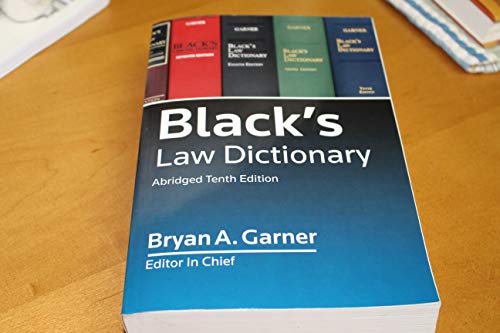
The Black’s Law Dictionary, Abridged, 10th Edition is ideal for law students, legal professionals, and anyone seeking a concise yet comprehensive reference for legal terminology. This edition provides a streamlined version of the authoritative law dictionary, making it perfect for individuals who need quick and reliable definitions without the extensive detail of the full version. It’s especially useful for those preparing for exams, drafting legal documents, or conducting research where clear understanding of legal terms is essential.
Pros:
- Contains over 1,300 pages of abridged, easy-to-understand legal definitions.
- Compact size with dimensions 9.75 x 6.5 x 2.0 inches, making it portable and easy to handle.
- Published by Thomson Reuters West, a trusted name in legal publishing.
- Weighs approximately 3.4 pounds, balancing comprehensive content with manageable weight.
- Updated in 2015, ensuring relatively current legal terminology and usage.
Cons:
- As an abridged edition, it may lack some of the detailed explanations found in the full edition.
- The publication date of 2015 means some newer legal terms or changes might not be included.
- The physical book’s weight might still be cumbersome for users seeking a very lightweight reference.
The Black’s Law Dictionary, Abridged, 10th Edition offers a thoughtfully condensed compilation of essential legal terms that balances depth and accessibility. Its extensive page count of 1385 ensures comprehensive coverage, while the abridged format helps users quickly find relevant definitions without navigating through overly complex explanations. This makes it an excellent tool for students and professionals who require clarity and efficiency in their legal research and writing.
Manufactured by Thomson Reuters West, the dictionary maintains high editorial standards and reliability, which is crucial in the legal field. The physical dimensions and weight provide a sturdy yet portable resource, suitable for both office use and on-the-go reference. While the edition dates back to 2015, it remains a valuable asset for foundational legal terminology and concepts, supporting users in understanding and applying the law effectively.
Black’s Law Dictionary

The Black’s Law Dictionary, 11th Edition is ideal for law students, legal professionals, and anyone seeking a comprehensive and authoritative source of legal definitions. If you require precise explanations of legal terms for study, practice, or research, this dictionary is a valuable asset to your collection.
Pros:
- Contains over 2,110 pages of detailed legal definitions and explanations.
- Published by renowned Thomson Reuters and Sweet & Maxwell, ensuring reliability and accuracy.
- Comprehensive coverage of modern legal terminology, updated in the 11th edition.
- Large format (10.5″ x 7.5″ x 3.0″) makes it easy to read and navigate.
Cons:
- Weighs over 7 pounds, which may be cumbersome for frequent transport.
- Physical copy may be less convenient compared to digital versions for quick searches.
The Black’s Law Dictionary, 11th Edition features extensive entries that cover a wide range of legal concepts, making it an indispensable tool for understanding complex legal language. The updated content reflects recent changes in law, providing users with the most current and relevant information available. Its detailed definitions aid in clarifying ambiguous terms, which is essential for legal writing and interpretation.
Additionally, the dictionary’s durable binding and high-quality paper ensure it can withstand frequent use in academic or professional environments. The physical size allows for clear typography and organization, helping users quickly find the information they need. This edition’s authoritative status makes it a trusted reference, enhancing the confidence of legal professionals and students alike when citing or interpreting legal terminology.
Master Legal Vocabulary & Terminology

The Master Legal Vocabulary & Terminology book is ideal for law students, legal professionals, and anyone looking to deepen their understanding of legal writing, vocabulary, and terminology. Whether you are drafting contracts or preparing legal documents, this resource is designed to enhance your proficiency in the language of law and improve your practical skills.
Pros:
- Comprehensive coverage of contracts, prepositions, and phrasal verbs used in legal contexts.
- Includes 425 expert legal documents and templates for practical application.
- Compact and portable with dimensions of 9.0 x 6.0 x 0.42 inches, perfect for on-the-go reference.
- 168 pages filled with targeted legal vocabulary and examples.
- Published by an independent publisher, ensuring specialized focus.
Cons:
- Publication date is from 2018, so some legal terms may not reflect the latest changes.
- May be too detailed for absolute beginners without prior legal background.
This book offers a well-structured approach to mastering legal vocabulary and terminology, making it easier for users to understand and apply complex legal language. The inclusion of over 400 expert documents and templates provides invaluable real-world examples that help bridge theory and practice. Users can benefit from improved legal writing skills, which are essential for drafting precise and effective contracts.
Additionally, the focus on prepositions and phrasal verbs commonly used in legal contexts enhances clarity and accuracy in communication. The portable size and well-organized content make it a convenient reference for students and professionals alike, supporting continuous learning and skill development in a demanding field.
Frequently Asked Questions
What Is The Legal Difference Between Driving And Traveling?
Driving means operating a motor vehicle, while traveling is broader. Traveling includes any movement from one place to another, by any mode. Black’s Law Dictionary clarifies this distinction in legal contexts.
How Does Black’s Law Dictionary Define Driving?
Black’s Law Dictionary defines driving as the act of controlling and operating a motor vehicle. It focuses on the legal responsibilities linked to vehicle operation.
Why Is The Distinction Between Driving And Traveling Important Legally?
The distinction affects liability and regulation. Driving involves specific laws like licensing and traffic rules, while traveling covers general movement rights.
Which Edition Of Black’s Law Dictionary Explains Driving Vs Traveling?
Both the 10th Abridged and 11th Standard editions provide clear definitions. The 11th edition offers updated terminology and expanded explanations.
How Can Legal Vocabulary Books Improve Understanding Of These Terms?
Books like “Master Legal Vocabulary & Terminology” enhance comprehension of legal terms. They provide context, examples, and expert templates for precise legal writing.
Are Phrasal Verbs Relevant In Legal Definitions Of Driving And Traveling?
Yes, phrasal verbs clarify actions and legal nuances. They help explain terms like “drive off” or “travel through” accurately in contracts and documents.
Conclusion
Understanding the difference between “driving” and “traveling” in Black’s Law Dictionary helps clarify legal discussions. Driving usually means operating a vehicle actively. Traveling can mean moving from one place to another without focusing on how. This distinction matters in many legal cases and documents.
Knowing these terms can prevent confusion in contracts and court papers. Legal vocabulary must be clear and simple, especially for non-native speakers. Using the right word shows respect for the law and helps avoid mistakes. Legal dictionaries like Black’s Law Dictionary offer trusted meanings.
They support learning and improve legal writing skills. Always choose words carefully to match the legal context. This small detail can make a big difference in understanding and communication. The right legal term makes your message strong and clear. Clear language builds trust and helps solve legal issues faster.
