Myofascial trigger points are tight spots in muscles that cause pain and discomfort. Travell and Simons pioneered the study of these points and their treatment.
Their work, especially in “Myofascial Pain and Dysfunction: The Trigger Point Manual,” remains a key reference for understanding muscle pain. The manuals describe common trigger points, pain patterns, and effective therapies. Travell and Simons identified how these points refer pain to other body areas.
Their detailed charts and guides help both patients and therapists find relief. These resources cover upper and lower body muscles thoroughly. Clear illustrations make complex information easy to grasp. This knowledge helps people manage chronic pain without heavy medication. The manuals have influenced physical therapy and pain management worldwide. Understanding trigger points is vital for anyone dealing with muscle pain or tightness.
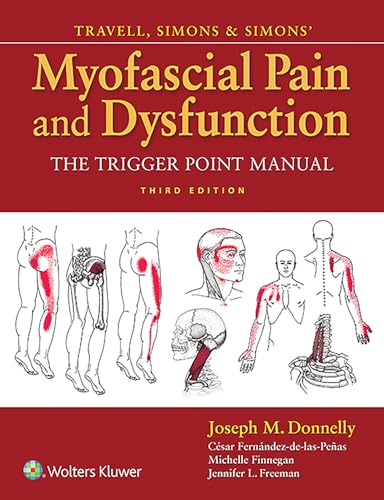
Travell, Simons & Simons’ Myofascial Pain And Dysfunction: The Trigger Point Manual

Ideal for healthcare professionals, physical therapists, and students specializing in pain management and musculoskeletal disorders, LWW – Travell, Simons & Simons’ Myofascial Pain and Dysfunction: The Trigger Point Manual is an essential resource for those seeking an in-depth understanding of myofascial pain and effective treatment techniques. This comprehensive manual is perfect for practitioners aiming to enhance their clinical skills in diagnosing and managing trigger points and related dysfunctions.
Pros:
- Extensive coverage with 968 pages of detailed content on myofascial pain and trigger points.
- Published by reputable LWW, ensuring credible and authoritative information.
- Third edition offers updated and refined techniques based on the latest research.
- Large format with clear illustrations and descriptions for better comprehension.
- Durable physical dimensions (11 x 8.75 x 1.5 inches) and manageable weight (2.3 pounds) for practical use.
Cons:
- Due to its size and weight, it may not be convenient for frequent travel.
- Highly detailed content might be overwhelming for beginners without prior knowledge.
- Publication date from 2018 could mean some newer research is not included.
The manual’s extensive and detailed explanations of trigger points provide users with a thorough understanding of the mechanisms behind myofascial pain and dysfunction. Each section is carefully structured to guide readers through identification, palpation, and treatment strategies, enhancing practical application in clinical settings. The combination of text and visual aids helps healthcare providers deliver more effective patient care by targeting specific pain sources.
Moreover, the updated third edition incorporates the latest insights and treatment modalities, making it a valuable tool for continuous professional development. Users benefit from a comprehensive resource that supports both learning and reference needs. The book’s durable format and well-organized layout ensure it remains a staple on any practitioner’s bookshelf, supporting consistent and improved outcomes in pain management therapy.
Myofascial Pain And Dysfunction: The Trigger Point Manual

The book Myofascial Pain and Dysfunction: The Trigger Point Manual, Vol. 1 – Upper Half of Body is ideal for healthcare professionals such as physical therapists, massage therapists, chiropractors, and medical students who want to deepen their understanding of myofascial pain syndrome and trigger point therapy. Anyone involved in pain management or rehabilitation will find this comprehensive manual invaluable for diagnosing and treating upper body muscle dysfunction.
Pros:
- Extensive coverage with 1056 pages of detailed information on trigger points
- Published by the reputable Lippincott Williams Wilkins and Williams & Wilkins
- Comprehensive explanations and illustrations for practical application
- Second edition ensures updated content and clinical relevance
- Large physical format (10.5 x 7.75 x 2.0 inches) making it a substantial reference
Cons:
- Relatively heavy weight at approximately 4.4 pounds, which may reduce portability
- Publication date of 1999 may mean some newer research is not included
- Lengthy and dense material may be overwhelming for beginners
The Trigger Point Manual focuses on the upper half of the body, providing an in-depth exploration of myofascial pain patterns and dysfunctions. Its detailed descriptions and high-quality illustrations allow practitioners to identify and treat trigger points effectively, improving patient outcomes. The manual’s large volume ensures that readers have access to a wealth of knowledge, making it a trusted resource in clinical settings.
Additionally, the book’s structure supports both learning and reference purposes, making it useful for both students and experienced clinicians. By understanding the underlying mechanisms of trigger points and how to address them, users can enhance their therapeutic techniques, reduce patient pain, and improve functional mobility. Despite its age, the manual remains a cornerstone in myofascial pain education due to its thorough and systematic approach.
Myofascial Pain And Dysfunction: The Trigger Point Manual; Vol. 2., The Lower Extremities
![Myofascial Pain and Dysfunction: The Trigger Point Manual; Vol. 2., The Lower Extremities [Hardcover] [Oct 09, 1992] Janet G. Travell and David G. Simons](https://m.media-amazon.com/images/I/51B9Sf9c1hL._SL500_.jpg)
The book Myofascial Pain and Dysfunction: The Trigger Point Manual; Vol. 2., The Lower Extremities is ideal for healthcare professionals, including physical therapists, massage therapists, chiropractors, and physicians who specialize in pain management and musculoskeletal disorders. This detailed manual is also beneficial for advanced students in these fields who seek a comprehensive understanding of trigger point therapy and myofascial pain in the lower extremities.
Pros:
- Comprehensive coverage of trigger points and their relationship to pain syndromes in the lower extremities
- Authored by renowned experts Janet G. Travell and David G. Simons, lending strong credibility
- Includes detailed illustrations and clinical insights to enhance understanding
- Extensive content with 607 pages for in-depth study
- Durable hardcover edition suitable for frequent reference
Cons:
- Published in 1992, some information might be outdated compared to newer research
- Relatively heavy and bulky at nearly 3 pounds, less portable for on-the-go use
- Highly specialized content may be overwhelming for beginners or casual readers
This manual provides an exhaustive exploration of the anatomy and physiology of the lower extremities with a focus on diagnosing and treating myofascial pain through trigger point therapy. The detailed illustrations and clinical case studies help practitioners visualize and understand the complex interplay between muscles, nerves, and pain referral patterns. This facilitates more accurate assessment and targeted treatment plans for patients suffering from chronic pain conditions.
Moreover, the book’s structured approach enhances clinical decision-making by offering step-by-step guidelines on identifying trigger points and applying manual therapy techniques effectively. The comprehensive coverage ensures that readers gain a thorough knowledge base, enabling improved patient outcomes and advancing professional expertise in pain management and rehabilitation.
Myofascial Pain And Dysfunction, Vol. 1: The Trigger Point Manual

The book Myofascial Pain and Dysfunction, Vol. 1: The Trigger Point Manual, The Upper Extremities is ideal for healthcare professionals such as physical therapists, massage therapists, chiropractors, and medical students who seek an in-depth understanding of myofascial pain and its treatment. It is also valuable for clinicians focused on diagnosing and managing trigger points in the upper extremities to improve patient outcomes.
Pros:
- Comprehensive coverage of trigger points and related myofascial pain in the upper extremities.
- Detailed illustrations and descriptions for accurate identification and treatment.
- Published by reputable Lippincott Williams and Wilkins, ensuring quality and credibility.
- Extensive content with 713 pages, providing thorough knowledge in one volume.
- First Edition, a classic resource widely respected in the field.
Cons:
- Publication date from 1983, which may lack latest research updates.
- Large size and weight (3.3 pounds) can make it less portable.
- Highly technical content may be challenging for beginners without prior background.
This manual offers a detailed exploration of myofascial pain and the role of trigger points in the upper extremities. Its extensive illustrations and descriptions help professionals accurately locate trigger points and understand their impact on musculoskeletal dysfunction. Users benefit from a systematic approach to diagnosis and treatment planning, which can enhance therapeutic effectiveness and patient relief.
The book’s comprehensive nature, spanning over 700 pages, allows practitioners to deepen their expertise and reference material as needed. While the edition dates back to 1983, the foundational principles it covers remain relevant for understanding the pathophysiology and management of trigger points. This makes it a valuable educational tool and clinical reference for those specializing in physical medicine and rehabilitation.
Travell, Simons & Simons’ Trigger Point Pain Patterns Wall Charts Package

The Travell, Simons & Simons’ Trigger Point Pain Patterns Wall Charts Package is ideal for healthcare professionals, including physical therapists, chiropractors, massage therapists, and medical students who require a detailed visual aid to understand and diagnose muscle trigger points and associated pain patterns. This educational tool is perfect for those looking to enhance patient care by accurately identifying pain sources and improving treatment outcomes.
Pros:
- Comprehensive and detailed visual representation of trigger point pain patterns.
- Compact and lightweight design with dimensions of 22.44 inches width and weighing only 0.74 pounds, making it easy to display and handle.
- Produced by a reputable manufacturer, ACC, ensuring high-quality and accurate content.
- Second edition published in 2021, reflecting updated and current medical knowledge.
- Durable wall charts that are suitable for clinical and educational environments.
Cons:
- May be too detailed or technical for casual users or those without medical background.
- Limited to wall chart format, which may not suit users looking for digital or interactive tools.
- Size might be restrictive for very small spaces despite its relatively compact dimensions.
The Travell, Simons & Simons’ Trigger Point Pain Patterns Wall Charts Package features intricate illustrations that map out common trigger points and their corresponding pain referral zones. This helps practitioners quickly identify the source of muscular pain, facilitating more targeted and effective treatment plans. The clarity and precision of the charts make them indispensable for patient education and professional reference alike.
Additionally, the portability and durability of these wall charts allow for easy integration into any clinical setting. The updated second edition ensures that users benefit from the latest research and clinical findings, thereby enhancing diagnostic accuracy. Overall, this package supports enhanced patient outcomes by promoting a deeper understanding of myofascial pain syndromes through visually engaging and scientifically accurate materials.
Travell And Simons’ Trigger Point Flip Charts

The Travell and Simons’ Trigger Point Flip Charts are ideal for healthcare professionals such as physical therapists, massage therapists, chiropractors, and medical students who seek an effective visual aid for understanding and treating myofascial pain. Anyone looking to enhance their knowledge of trigger points and improve patient care through clear anatomical illustrations will find this item invaluable.
Pros:
- Contains clear and detailed trigger point illustrations for easy reference.
- Compact flip chart format allows for quick access during clinical sessions.
- Published by reputable Wolters Kluwer Health, ensuring high-quality content.
- Includes 24 pages, covering a wide range of muscle groups and trigger points.
- Durable and portable, making it suitable for both clinic and educational settings.
Cons:
- First edition published in 2014, which may lack the latest research updates.
- Limited depth due to concise format; may require supplementary detailed texts.
- Not suitable for users unfamiliar with basic anatomy or trigger point therapy concepts.
The Travell and Simons’ Trigger Point Flip Charts feature expertly illustrated trigger points that highlight the relationship between muscle pain and specific anatomical sites. This format enhances learning and practical application by providing quick visual cues that are essential during patient assessment and treatment. Each page is designed to be both informative and user-friendly, enabling professionals to efficiently identify trigger points and understand their referred pain patterns.
Beyond its educational value, the flip chart’s portability and durability make it a practical tool for busy clinics or classrooms. The concise 24-page layout ensures that users can quickly find relevant information without being overwhelmed by excessive detail. Overall, this flip chart serves as a valuable resource for improving diagnosis accuracy and enhancing therapeutic outcomes in myofascial pain management.
The Trigger Point Therapy Workbook

Ideal for individuals seeking effective methods to alleviate chronic pain and muscle tension, The Trigger Point Therapy Workbook: Your Self-Treatment Guide for Pain Relief is perfect for those who want to take control of their own healing process. Whether you’re dealing with persistent aches, sports injuries, or general muscle discomfort, this workbook provides a comprehensive, self-guided approach to managing pain through trigger point therapy.
Pros:
- Comprehensive step-by-step instructions for self-treatment of trigger points
- Includes detailed illustrations to identify and treat muscle pain
- Written by experts from New Harbinger Publications ensuring credible content
- Third edition offers updated techniques and expanded information
- Portable size with 376 pages, making it easy to reference anytime
Cons:
- May require dedication and time to learn and apply the techniques effectively
- Not a substitute for professional medical advice for severe conditions
- Some readers might find the detailed anatomical information overwhelming
This workbook stands out due to its clear, accessible guidance on identifying and treating trigger points that cause muscle pain. The inclusion of precise illustrations helps users accurately locate problem areas, enhancing the effectiveness of self-treatment. The book’s substantial length of 376 pages ensures in-depth coverage of various muscle groups and pain scenarios, making it a valuable resource for long-term pain management.
Published by New Harbinger Publications in its third edition, the workbook reflects the latest advances in trigger point therapy. Its compact dimensions (10.75 x 8.5 x 0.75 inches) make it convenient for users to keep on hand, whether at home or on the go. Overall, this workbook empowers users with practical skills to reduce pain without relying solely on medications or frequent professional treatments.
Frequently Asked Questions
What Are Myofascial Trigger Points According To Travell And Simons?
Myofascial trigger points are tight, sensitive muscle knots causing pain and dysfunction. Travell and Simons’ manuals detail their identification and treatment. These trigger points can refer pain to other body areas, affecting muscle performance and causing chronic discomfort.
How Do Travell And Simons Define Myofascial Pain Syndrome?
Myofascial pain syndrome is chronic muscle pain caused by trigger points. Travell and Simons describe it as localized muscle tenderness linked to referred pain patterns. Their work emphasizes manual therapy and trigger point release for effective pain relief.
What Body Areas Are Covered In Travell And Simons’ Manuals?
The manuals cover the upper half and lower extremities in detail. Volume 1 focuses on the upper body, while Volume 2 addresses the lower limbs. Together, they provide comprehensive guides for diagnosing and treating trigger points throughout the body.
How Useful Are Travell And Simons’ Trigger Point Wall Charts?
The wall charts visually map common trigger points and pain referral patterns. They serve as practical tools for clinicians and therapists to quickly identify trigger points. These charts enhance understanding and improve treatment accuracy for myofascial pain.
Can I Self-treat Trigger Points Using The Trigger Point Therapy Workbook?
Yes, the workbook guides safe self-treatment techniques for pain relief. It teaches how to locate and massage trigger points effectively. The book empowers readers to manage myofascial pain at home with clear, step-by-step instructions.
Conclusion
Myofascial trigger points, as detailed by Travell and Simons, play a key role in muscle pain and dysfunction. Their manuals provide clear maps of common trigger point locations and pain patterns. Understanding these points helps in identifying the cause of many unexplained aches.
The detailed charts and guides offer practical ways to find and treat these painful spots. This knowledge supports better pain management and improved muscle function. Anyone dealing with chronic muscle pain can benefit from these resources. They explain complex ideas in a simple and structured way.
Exploring Travell and Simons’ work can lead to greater awareness of your body’s pain signals. It’s a helpful step toward relief and recovery. The manuals remain a trusted source for both professionals and those seeking self-help techniques. Their contribution to myofascial pain treatment is lasting and valuable.
