Choosing between fiberglass and aluminum travel trailers can be tough. Both materials offer unique benefits for your adventures.
Fiberglass trailers often feel solid and quiet. They resist dents and rust well. Aluminum trailers are lighter and easier to tow. They handle rough roads without damage. Weight matters if your vehicle has towing limits. Fiberglass can provide better insulation from weather noise.
Aluminum trailers may need more care to avoid scratches. Your choice depends on budget, travel style, and maintenance willingness. Understanding these differences helps pick the right trailer. Whether for weekend trips or long journeys, the right trailer makes travel more fun and comfortable.
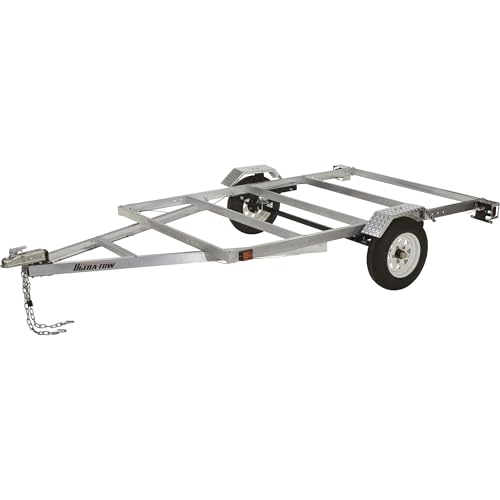
Ultra-tow Aluminum Utility Trailer Kit

The Ultra-Tow 5ft. x 8ft. Aluminum Utility Trailer Kit with a 1715-Lb. load capacity is ideal for outdoor enthusiasts, small business owners, and homeowners who need a reliable and lightweight trailer for hauling equipment, tools, or recreational gear. If you require a sturdy trailer that is easy to tow and maintain, this item is a perfect choice.
Pros:
- Lightweight aluminum construction for easier towing and better fuel efficiency
- Durable 1715-lb. load capacity suitable for various hauling needs
- Compact 5ft. x 8ft. size ideal for maneuvering in tight spaces
- Manufactured by a trusted brand, Ultra-Tow, known for quality trailers
Cons:
- Weight of 265.6 pounds may require a medium-duty vehicle for towing
- May require additional accessories or modifications depending on specific hauling requirements
The Ultra-Tow Aluminum Utility Trailer Kit features a robust yet lightweight design that balances strength with ease of use. The aluminum frame not only resists rust and corrosion but also keeps the overall weight manageable at 265.6 pounds, making it easier to hitch and tow with a variety of vehicles. This trailer is perfect for transporting lawn equipment, building materials, or recreational items while maintaining good fuel economy due to its light weight.
Additionally, the 1715-lb. load capacity ensures that users can confidently haul moderate to heavy loads without compromising safety or performance. Its compact 5ft. x 8ft. footprint allows for convenient storage and maneuverability, making it a versatile option for anyone needing a dependable utility trailer. With Ultra-Tow’s reputation for quality manufacturing, this trailer kit offers both durability and reliability for everyday use.
Frequently Asked Questions
What Are The Weight Differences Between Fiberglass And Aluminum Trailers?
Fiberglass trailers are generally lighter than aluminum ones. Aluminum trailers offer strength but can weigh more due to framing. Weight impacts towing ease and fuel efficiency. Choosing depends on your towing vehicle and travel needs.
Which Trailer Material Is More Durable For Travel Trailers?
Fiberglass resists dents and corrosion better, making it highly durable. Aluminum is strong but prone to dents and corrosion over time. Durability depends on maintenance and usage conditions. Fiberglass often offers longer lifespan with less upkeep.
How Does Maintenance Differ Between Fiberglass And Aluminum Trailers?
Fiberglass requires less maintenance and resists rust and corrosion. Aluminum trailers need regular checks for dents and corrosion. Cleaning fiberglass is easier, often needing just soap and water. Maintenance choice affects long-term ownership costs.
Are Fiberglass Or Aluminum Trailers Better For Fuel Efficiency?
Fiberglass trailers are lighter, which can improve fuel efficiency. Aluminum trailers may be heavier, slightly reducing fuel economy. The weight difference impacts towing fuel consumption. Fiberglass is often preferred for saving fuel on long trips.
Which Trailer Material Offers Better Resale Value?
Fiberglass trailers typically hold resale value better due to durability. Aluminum trailers may depreciate faster if dented or corroded. Market demand favors low-maintenance, durable trailers. Proper upkeep can improve resale for both materials.
Conclusion
Choosing between fiberglass and aluminum travel trailers depends on your needs and preferences. Fiberglass trailers offer better insulation and a sleek look. They are often quieter and resist dents well. Aluminum trailers tend to be lighter and easier to tow.
They may require more maintenance but are usually less expensive. Both materials have good strength and durability. Think about how you will use the trailer and where you will travel. Your budget also plays a big role in the decision.
Whether you want a smooth ride or easy upkeep, both options have benefits. Take time to compare features and costs carefully. This will help you find the best trailer for your adventures. Remember, the right choice makes trips more fun and comfortable.
