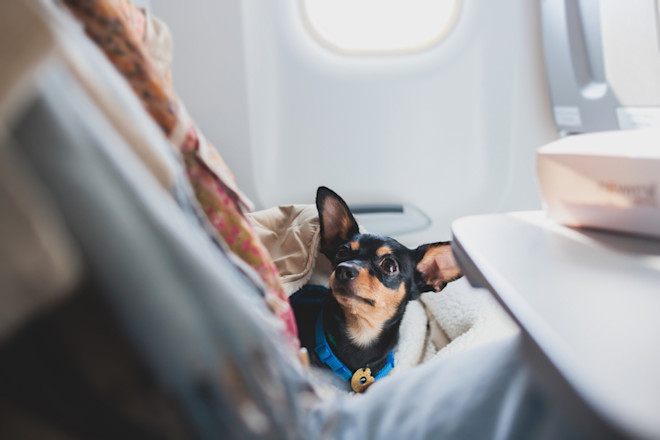
Imagine the excitement of setting off on a new adventure, with your furry friend by your side, ready to explore the world together. Traveling with your dog on a plane can open up incredible experiences for both of you, but it might also raise a few questions.
How do you ensure your dog is comfortable? What are the airline requirements? If you’re wondering how to make this journey smooth and enjoyable, you’re in the right place. By the end of this guide, you’ll discover the essential tips and tricks to confidently navigate air travel with your canine companion, ensuring a stress-free trip for both of you.
Ready to unlock the secrets to flying with your dog? Keep reading to learn more!

Credit: dogtrotting.net
Choosing The Right Airline
Choosing the right airline is key to a smooth trip with your dog. Each airline has different rules and services for pets. Knowing these details helps avoid last-minute problems. It also ensures your dog’s comfort and safety during the flight.
Pet Policies Comparison
Airlines vary in their pet travel rules. Some allow small dogs in the cabin. Others require pets to travel as checked baggage or cargo. Check if your dog’s size and breed fit the airline’s rules. Look for policies on carriers, health certificates, and vaccination requirements.
Fees And Charges
Each airline sets its own pet fees. These fees depend on whether your dog flies in the cabin or cargo. Expect prices from $75 to $200 or more. Some airlines charge extra for multiple pets. Knowing the costs helps you plan your budget better.
Pet Travel Restrictions
Airlines may restrict certain dog breeds. Some do not allow brachycephalic breeds, like pugs or bulldogs, due to breathing risks. Temperature limits can affect travel during summer or winter. Certain countries have quarantine rules, affecting international flights. Check all restrictions before booking your ticket.
Credit: www.rd.com
Preparing Your Dog For Flight
Getting your dog ready for a plane trip takes more than just booking a ticket. Proper preparation helps reduce stress for both you and your furry friend. Let’s look at key steps to make the journey smoother and safer.
Health Check And Vaccinations
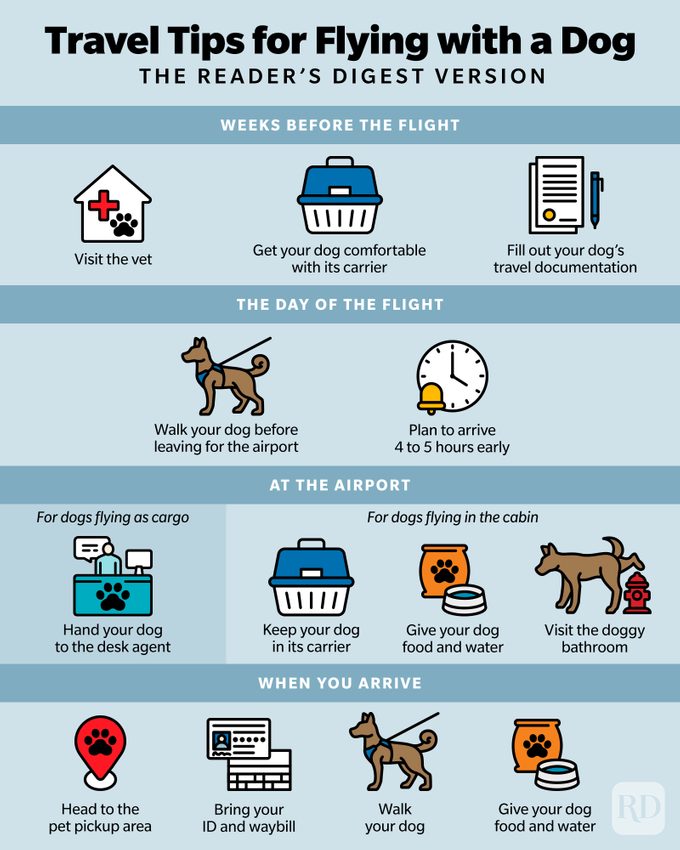
Before you travel, schedule a vet visit to ensure your dog is fit to fly. Airlines often require a health certificate issued within 10 days of departure. Your vet can confirm your dog is up-to-date on vaccinations, especially rabies.
Ask your vet about any specific health concerns your dog may have related to flying. Some breeds need special attention due to breathing issues. A quick health check can prevent unexpected problems mid-flight.
Crate Training Tips
Introducing your dog to a travel crate well before the flight is essential. Make the crate a positive space by adding familiar blankets and toys. Practice short stays in the crate to build comfort.
Try feeding your dog inside the crate to create good associations. Avoid using the crate only as a punishment tool at home. Your dog should see the crate as a safe and cozy retreat during travel.
Packing Essentials For Pets
Think beyond food and water. Pack your dog’s favorite chew toy to keep them calm. Don’t forget a leash, waste bags, and any medication your dog needs.
Bring a collapsible water bowl for easy hydration at the airport. Label your crate with your contact info and the dog’s name. Being prepared can make a big difference in your dog’s comfort and safety.
Booking Your Flight
Booking a flight for you and your dog requires careful planning. Airlines have different rules for pets. Early preparation helps avoid last-minute problems. Choose flights that accept pets comfortably. Follow the airline’s booking process closely. Confirm your dog’s spot before travel day.
Selecting Pet-friendly Flights
Pick airlines known for good pet policies. Check if pets can travel in the cabin. Some airlines allow small dogs onboard. Larger dogs might need to fly in cargo. Consider flight duration and layovers. Shorter flights reduce stress for your dog. Non-stop flights are best for pets.
Booking Procedures
Book your ticket through the airline’s official site. Add your pet during the booking process. Provide details about your dog’s size and weight. Some airlines require a pet reservation fee. Keep your dog’s health certificate ready. Upload documents if the airline asks for them. Pay attention to carrier size limits.
Confirming Pet Reservations
Call the airline after booking to confirm your pet’s spot. Ask about any updated pet travel rules. Verify if your dog’s carrier meets standards. Request a confirmation email or number. Check-in early on travel day to secure your pet’s place. Keep emergency contacts handy during your trip.
At The Airport
Traveling with a dog at the airport requires careful planning and calmness. The airport can feel busy and noisy for pets. Preparing ahead helps reduce stress for both you and your dog.
Check-in Process
Arrive early to allow extra time for check-in. Inform the airline staff that you are traveling with a dog. Have your pet’s health and vaccination documents ready. Some airlines ask for a pet carrier that fits specific size rules. Make sure your dog is comfortable inside the carrier. Keep your dog calm by speaking softly or offering a small treat.
Security Screening For Pets
At security, you must take your dog out of the carrier. Carry your dog through the metal detector while the carrier is screened. Use a leash or hold your dog firmly. Security staff will check the carrier for any items. Stay calm and keep your dog close. This step is quick but important for safety.
Waiting Areas And Comfort
Find a quiet spot away from crowds. Let your dog rest and drink water. Avoid giving large meals before the flight to prevent discomfort. Bring a favorite blanket or toy to help your dog relax. Keep your dog on a leash or inside the carrier. Watch for signs of stress like panting or whining. Take short walks if space allows to help your dog stay calm.
In-flight Experience
Traveling by plane with your dog can be a smooth experience with the right preparation. The in-flight time is crucial for your pet’s comfort and safety. Understanding the differences in travel options and how to care for your dog during the flight helps a lot.
Cabin Vs Cargo Travel
Small dogs often travel inside the cabin with their owners. This allows you to keep an eye on your dog. Your pet stays in a carrier under the seat. This reduces stress and anxiety.
Large dogs usually fly in the cargo hold. This area is temperature-controlled and pressurized. It is separate from luggage but out of sight. Some dogs may find this scary. Choose this option only if your dog is calm and healthy.
Keeping Your Dog Calm
Bring familiar items like a favorite blanket or toy. These provide comfort during the flight. Speak softly to your dog to soothe them. Avoid loud noises or sudden movements. Practice short trips in the carrier before flying. This helps your dog get used to the space.
Feeding And Hydration
Feed your dog a small meal a few hours before the flight. Avoid feeding right before takeoff to prevent nausea. Offer water during the trip, but not too much. Use a spill-proof bowl to avoid messes. Hydration keeps your dog feeling better and calm.

Credit: wamiz.co.uk
Arrival And Beyond
Arriving at your destination with your dog marks the start of a new adventure. This stage requires patience and preparation to ensure a smooth transition. Understanding local rules and caring for your pet right after the flight makes travel enjoyable for both of you.
Customs And Quarantine Rules
Different countries have specific customs and quarantine rules for pets. Some require health certificates or proof of vaccinations. Others may ask for a quarantine period to prevent diseases. Check these regulations before you travel. Prepare all documents and paperwork in advance. At arrival, present everything clearly to customs officers. This step helps avoid delays and stress for your dog.
Post-flight Care
Your dog needs rest and hydration after the flight. Offer fresh water and a small meal once you arrive. Find a quiet space for your pet to relax. Watch for signs of stress or illness. Gentle walks help your dog stretch and adjust. Keep your dog calm and comfortable to speed recovery.
Travel Tips For Future Trips
- Visit the vet for a checkup before every trip.
- Use a comfortable, well-ventilated carrier.
- Pack familiar toys or blankets for comfort.
- Plan breaks on long journeys for bathroom and exercise.
- Keep updated on pet travel rules for each destination.
- Practice short trips to prepare your dog for flying.
Frequently Asked Questions
How Do I Book A Flight With My Dog?
Book directly through the airline’s website or call customer service. Check pet policies and fees before booking. Reserve early, as pet spots are limited on planes.
What Are The Airline Pet Travel Requirements?
Most airlines require a health certificate and updated vaccinations. Your dog must be in an airline-approved carrier. Check size and weight limits specific to each airline.
Can My Dog Travel In The Cabin With Me?
Small dogs usually travel in the cabin if they fit under the seat. Larger dogs must travel in the cargo hold. Confirm your airline’s cabin pet policy beforehand.
How Should I Prepare My Dog For A Flight?
Visit the vet for a health check before travel. Get your dog used to the carrier days before the flight. Avoid feeding your dog right before flying to reduce discomfort.
Conclusion
Traveling with your dog by plane takes some planning. Check airline rules before booking your flight. Prepare your dog with comfort and safety in mind. Carry all needed documents and health records. Stay calm and patient during the journey. Your dog will feel your calm energy.
Enjoy your trip and create happy memories together. Safe travels for you and your furry friend!
