Aluminum and fiberglass travel trailers both offer unique benefits for travelers. Choosing the right material affects weight, durability, and maintenance.
Aluminum trailers are lightweight and resist rust, making them easier to tow and maintain. They often have a classic look and handle rough roads well. Fiberglass trailers provide better insulation and a smooth, modern finish. They can be stronger against dents but may weigh more.
Understanding these differences helps you pick a trailer that fits your travel style and needs. This guide compares aluminum and fiberglass trailers clearly and simply, so you can decide with confidence. Whether you want a light trailer or one that keeps you cozy, this info will guide your choice well.
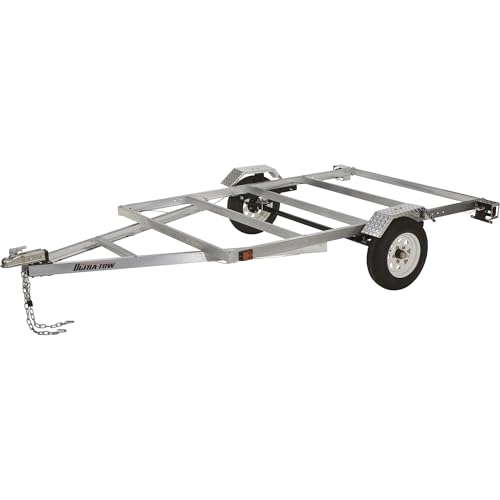
Ultra-tow Aluminum Utility Trailer Kit

The Ultra-Tow 5ft. x 8ft. Aluminum Utility Trailer Kit with a 1715-Lb. load capacity is ideal for homeowners, small business owners, and outdoor enthusiasts who need a reliable and lightweight trailer for hauling equipment, tools, or recreational gear. If you require a versatile trailer that combines durability with easy towing, this product is an excellent choice for you.
Pros:
- Lightweight aluminum construction makes towing easier and improves fuel efficiency.
- Generous 1715-pound load capacity supports a wide range of hauling needs.
- Compact dimensions (5ft. x 8ft.) ensure maneuverability and ease of storage.
- Durable build quality from a trusted manufacturer, Ultra-Tow.
Cons:
- Weight of 265.6 pounds may require two people for assembly or loading.
- May lack additional features such as enclosed sides or ramps.
The Ultra-Tow Aluminum Utility Trailer Kit is designed with sturdy aluminum materials that provide strength without excessive weight. This makes it easier to tow with a variety of vehicles, reducing strain on your engine and improving mileage. Its compact size of 5 feet by 8 feet allows users to transport bulky items while still fitting into tighter spaces, perfect for residential use and small job sites.
With a substantial 1715-pound load capacity, this trailer can handle most everyday hauling tasks, from landscaping equipment to recreational gear like ATVs or motorcycles. The combination of durable construction and manageable size offers a practical solution that balances performance and convenience for users who need a dependable trailer without the bulk and weight of steel models.
Frequently Asked Questions
What Are The Weight Differences Between Aluminum And Fiberglass Trailers?
Aluminum trailers are generally lighter, improving fuel efficiency and towing ease. Fiberglass trailers tend to be heavier but offer better insulation and durability. Choosing depends on your towing vehicle and travel needs.
How Does Durability Compare Between Aluminum And Fiberglass Trailers?
Fiberglass trailers resist dents and corrosion better than aluminum. Aluminum can dent easily but is less prone to cracking. Both materials require maintenance, but fiberglass often lasts longer under harsh conditions.
Which Trailer Type Offers Better Insulation And Temperature Control?
Fiberglass trailers provide superior insulation, keeping interiors cooler in summer and warmer in winter. Aluminum trailers have less natural insulation and may require additional insulation layers for comfort.
Are Repair Costs Higher For Aluminum Or Fiberglass Trailers?
Fiberglass repairs can be more costly due to specialized materials and labor. Aluminum repairs are usually cheaper and quicker but may require professional work to fix dents properly.
How Do Aluminum And Fiberglass Trailers Affect Towing Performance?
Aluminum trailers’ lighter weight improves towing stability and reduces fuel consumption. Fiberglass trailers, being heavier, may require stronger tow vehicles and can slightly reduce fuel efficiency.
Conclusion
Choosing between aluminum and fiberglass travel trailers depends on your needs and preferences. Aluminum trailers are light and strong, making them easier to tow. They resist rust well and often cost less to repair. Fiberglass trailers offer better insulation and a smoother look.
They handle weather changes nicely and usually need less maintenance. Think about how you will use the trailer. If you want something light and budget-friendly, aluminum might be best. If you prefer comfort and style, fiberglass could be a better fit.
Both types have good qualities for travel and adventure. Weigh the pros and cons carefully before deciding. Your choice will affect your travel experience. Take your time and pick the trailer that suits your lifestyle. Safe travels and happy camping!
