The Common Path of Travel in IBC 2018 defines the route occupants follow to reach a safe exit. It ensures safety during emergencies by limiting travel distance.
The International Building Code (IBC) 2018 sets clear rules for building safety. One key rule is the Common Path of Travel. This path is the shared part of an exit route before it splits into separate ways. The code limits how far people can walk along this path to avoid danger.
Keeping this distance short helps prevent crowding and confusion during emergencies. Builders and designers use these rules to create safe, easy-to-navigate buildings. Understanding the Common Path of Travel in IBC 2018 helps improve safety for everyone inside a building. It supports quick, safe exits in case of fire or other hazards.
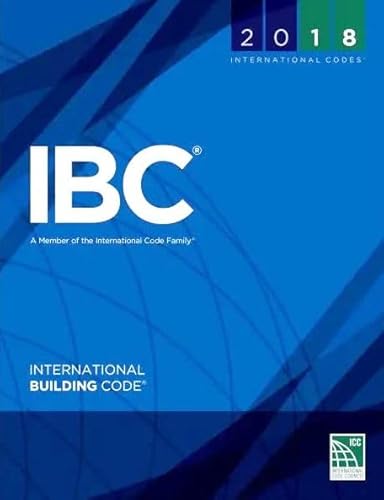
Ibc 2018 International Building Code

The IBC 2018 International Building Code is ideal for architects, engineers, contractors, and building inspectors who require an authoritative and comprehensive guide to ensure compliance with the latest building safety standards. Anyone involved in the construction or renovation of commercial and residential buildings will benefit greatly from this codebook.
Pros:
- Provides up-to-date and detailed building regulations and safety standards
- Published by a reputable manufacturer, The Booksmith 1, ensuring quality and accuracy
- Compact and portable with dimensions of 2.0 Inches height, 8.5 Inches width, and 11.0 Inches length
- Durable blue cover that makes it easy to identify on a shelf or job site
- Weighs only 4.0 pounds, making it manageable for frequent use
Cons:
- May be overwhelming for beginners due to the technical language and volume of information
- Generic brand may lack additional supplementary materials or guides
- Physical book format may require updates to stay current with newer codes
The IBC 2018 International Building Code offers a comprehensive framework that covers all aspects of building construction, from structural design to fire safety and accessibility. Its detailed chapters provide users with clear standards that promote safety and consistency across various types of construction projects. This makes it an essential tool for professionals who must navigate complex regulations and ensure their work meets legal requirements.
With its manageable size and weight, this codebook is convenient to carry on-site or keep in an office for quick reference. The blue cover and well-organized content enhance usability, allowing users to quickly locate specific sections or provisions. While it is a physical book, the quality and reliability provided by The Booksmith 1 brand make it a worthwhile investment for anyone serious about building safety and compliance.
Frequently Asked Questions
What Is The Common Path Of Travel In Ibc 2018?
The common path of travel in IBC 2018 is the shared route occupants use to reach an exit. It ensures safe and efficient evacuation during emergencies. This path combines travel distances and exit routes for building safety compliance.
How Does Ibc 2018 Define Travel Distance Limits?
IBC 2018 sets maximum travel distances to exits based on occupancy type and building features. These limits reduce evacuation time and improve occupant safety. The code specifies different distances for common and actual paths of travel.
Why Is The Common Path Of Travel Important In Building Design?
It ensures occupants have a clear, safe route to exits during emergencies. Proper planning reduces evacuation confusion and hazards. The common path of travel helps meet fire safety and egress requirements in IBC 2018.
How Does Ibc 2018 Affect Fire Safety Regulations?
IBC 2018 integrates common path of travel rules to enhance fire safety. It mandates clear, unobstructed exit routes and limits travel distances. This reduces fire risks and ensures occupants can evacuate quickly and safely.
Can The Common Path Of Travel Include Multiple Exit Routes?
No, the common path of travel refers to a single, shared route before exits diverge. It measures the combined travel distance occupants must use before reaching separate exits, helping to assess evacuation safety under IBC 2018 standards.
Conclusion
Understanding the common path of travel in IBC 2018 helps ensure building safety. It guides how people move safely during emergencies. Clear paths reduce confusion and risk. Following these rules is key for architects and builders. It also helps inspectors check buildings easily.
Safe paths improve comfort for everyone inside. Knowing these rules can prevent accidents and save lives. Always remember, the common path of travel is about clear, direct routes. Keeping these paths short and unobstructed matters most. This knowledge supports better building design and safer spaces.
It also meets legal requirements under IBC 2018. Simple steps lead to safer buildings. A small effort in planning can make a big difference. Understanding and applying these guidelines is smart for all involved. Safe travel paths create peace of mind for occupants.
It’s a vital part of building safety and design.
