The travel and tourism industry offers diverse job opportunities worldwide. It attracts people who enjoy exploring new places and cultures.
This sector includes jobs in hotels, airlines, tour companies, and event planning. Careers range from entry-level roles to management positions. Growth in travel boosts demand for skilled workers. Many countries, especially Nordic nations, actively support tourism employment. Working in this field can provide chances to live abroad and experience new lifestyles.
Some regions use tourism to reduce poverty and create local jobs. Education and training help build strong skills for success. The industry also focuses on improving quality of life for workers and travelers. People without degrees can still find good jobs in countries like New Zealand and the UK. Travel and tourism careers offer variety and the chance to meet people worldwide.
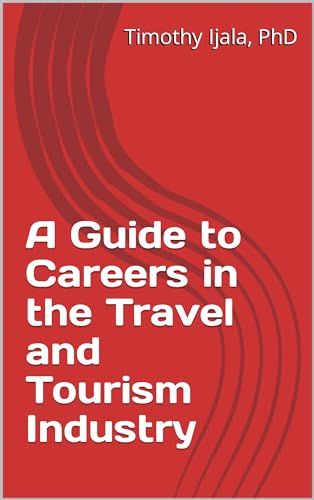
A Guide To Careers In The Travel And Tourism Industry

The A Guide to Careers in the Travel and Tourism Industry is ideal for individuals who are passionate about exploring global opportunities and want to build a professional career in the dynamic travel and tourism sector. Whether you are a recent graduate, a career changer, or someone seeking to understand the diverse roles within this industry, this guide provides valuable insights to help you make informed decisions.
Pros:
- Comprehensive overview of various career paths in the travel and tourism industry
- Detailed information spread across 47 pages, offering depth without overwhelming readers
- Up-to-date content with a recent publication date of December 2023
- Practical advice and tips for job seekers and industry newcomers
- Easy to understand language suitable for beginners and professionals alike
Cons:
- Limited to 47 pages, which may not cover highly specialized or niche careers in depth
- As a guide published in 2023, some rapidly evolving industry trends may require supplemental research
This guide stands out by providing a clear and concise breakdown of career options within the travel and tourism industry. Readers will benefit from its structured layout, which covers essential roles, necessary qualifications, and emerging opportunities in the field. The guide’s recent publication date ensures that the information is relevant, reflecting the latest industry standards and demands post-pandemic.
Additionally, the guide emphasizes the practical benefits of pursuing a career in this sector, such as exposure to diverse cultures, opportunities for international travel, and growth potential in a rapidly expanding global market. By understanding the different pathways and requirements detailed in this resource, users can strategically plan their career moves with confidence and clarity.
Tourism Employment In Nordic Countries

Ideal for students, researchers, and professionals interested in the tourism sector within the Nordic countries, this comprehensive resource provides valuable insights into current employment trends, practices, and opportunities. Those aiming to understand the dynamics of tourism labor markets or seeking to enhance their knowledge of Nordic tourism industries will find this book especially beneficial.
Pros:
- In-depth analysis of tourism employment trends in Nordic countries.
- Detailed coverage of employment practices and labor market dynamics.
- Insightful data supported by 476 pages of research and case studies.
- Published by reputable brands Springer and Palgrave Macmillan ensuring high-quality content.
- Compact dimensions (8.5 x 6.0 x 1.25 inches) and manageable weight (1.5 pounds) for easy handling.
Cons:
- Primarily focused on the Nordic region, limiting applicability for other geographic areas.
- The first edition was published in 2020, so some data may not reflect the very latest trends.
- The size and depth might be overwhelming for casual readers or beginners in the field.
This book thoroughly explores the employment landscape in the tourism sector across Nordic countries, offering readers a detailed understanding of how tourism labor markets operate in these regions. It highlights key employment practices and policy approaches that influence workforce development and sustainability. By combining theoretical frameworks with practical examples, the book ensures that users can apply the knowledge to real-world contexts.
Moreover, the publication benefits from the authority of its publishers, Springer and Palgrave Macmillan, which guarantees well-researched and credible content. The extensive 476-page length allows for a comprehensive examination of the subject, making it a valuable reference for those involved in tourism management, policy-making, or academic research focused on the Nordic countries.
Global Career

The book Global Career: How to Work Anywhere and Travel Forever is ideal for aspiring digital nomads, remote workers, and anyone looking to combine a successful career with a passion for travel. If you want to break free from the traditional office environment and explore the world while maintaining your professional life, this guide offers practical insights and strategies to help you achieve that lifestyle.
Pros:
- Comprehensive advice on building a location-independent career.
- Tips for managing work-life balance while traveling.
- Practical guidance on finding remote jobs and freelance opportunities.
- Compact and easy-to-carry book dimensions (8.0 x 5.0 x 0.53 inches).
- Written by New Nomad Publishing, a trusted source in remote work.
- Reasonable length with 212 pages, making it easy to digest.
Cons:
- Published in 2018, some information might be slightly outdated.
- Focuses primarily on beginners; advanced remote workers might find less new content.
This book offers a well-structured roadmap for creating a flexible career that supports continuous travel. It emphasizes the importance of adaptability and provides actionable steps for securing remote work opportunities. Readers can benefit from its clear explanations of how to leverage technology and networking to sustain income streams regardless of location.
Additionally, the book addresses common challenges faced by remote workers, such as maintaining productivity and managing time zones, offering strategies to overcome these obstacles. Its compact size and manageable length make it a convenient resource for those on the go, aligning perfectly with the nomadic lifestyle it promotes.
Reducing Rural Poverty In Asia

Ideal for researchers, policymakers, and development practitioners focused on rural poverty alleviation in Asia, this book provides an in-depth analysis of microenterprises and public employment schemes. Those seeking comprehensive insights into strategies for improving food and nutrition security through economic empowerment will find this work invaluable.
Pros:
- Comprehensive coverage of challenges and opportunities in rural Asia
- Detailed case studies supporting practical applications
- Published by the reputable Routledge brand
- In-depth analysis of microenterprise development and public employment schemes
- Extensive length with 404 pages for thorough understanding
Cons:
- Published in 2006, some data may be outdated
- May be too detailed for casual readers
- Physical dimensions and weight may be less convenient for travel
This edition of Reducing Rural Poverty in Asia spans 404 pages, offering a detailed exploration of how microenterprises can serve as a vital tool for economic growth in rural communities. The book highlights the role of public employment schemes in providing sustainable income sources and improving livelihoods. Readers benefit from a balanced approach combining theory with real-world examples, enabling better-informed policy decisions.
The detailed analysis also emphasizes the interconnectedness of food and nutrition security with economic development. By understanding the challenges faced by rural populations, users can appreciate the complexity and potential of targeted interventions. This work serves as a crucial resource for developing effective strategies that promote inclusive growth and reduce poverty in Asian rural areas.
Building Human Capital In Tourism And Hospitality

Ideal for academics, industry professionals, and students in the tourism and hospitality sector, Building Human Capital in Tourism and Hospitality: Perspectives from theory and practice is a comprehensive resource aimed at those seeking to enhance their understanding of workforce development in this dynamic industry. If you are involved in training, human resource management, or policy-making within tourism and hospitality, this book offers valuable insights to elevate your strategic approach.
Pros:
- Provides a blend of theoretical frameworks and practical applications relevant to human capital development.
- Authored by CABI, a reputable publisher known for quality content in agriculture and tourism.
- Comprehensive coverage across 268 pages, enabling deep exploration of key concepts.
- Published recently in April 2025, ensuring up-to-date perspectives and research.
Cons:
- May be too specialized for readers outside of the tourism and hospitality fields.
- The academic style might be dense for casual readers or beginners.
This book delves into the critical role of human capital as a driver for success in the tourism and hospitality industry. It offers a detailed examination of how workforce skills, knowledge, and competencies can be effectively developed and managed to meet the evolving demands of the sector. The integration of both theory and practice ensures readers gain a balanced understanding, making it a valuable tool for improving employee performance and enhancing organizational outcomes.
Readers will appreciate the practical case studies and real-world examples that illustrate successful strategies in talent development and retention. By exploring emerging trends and challenges, the book empowers professionals to implement innovative solutions that foster sustainable growth and competitive advantage in tourism and hospitality enterprises.
Rebuilding And Restructuring The Tourism Industry
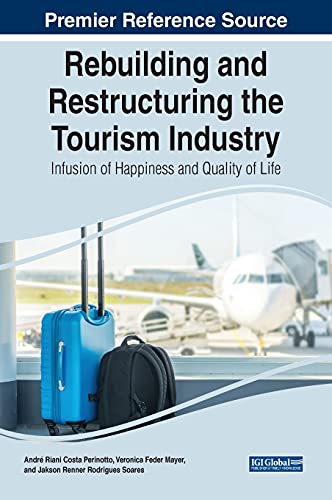
Ideal for industry professionals, academics, and policy makers interested in the tourism sector, Rebuilding and Restructuring the Tourism Industry: Infusion of Happiness and Quality of Life offers valuable insights into revitalizing tourism with a focus on enhancing happiness and quality of life. Those seeking comprehensive strategies to improve hospitality services and tourism management will find this edition indispensable.
Pros:
- Comprehensive analysis of current tourism challenges and solutions
- Focuses on improving both happiness and quality of life through tourism
- Contains 330 pages of in-depth research and case studies
- Published by reputable manufacturer Business Science Reference
- Compact dimensions (10.0 x 7.0 x 0.81 inches) make it easy to handle
Cons:
- Edition published in 2021; some data may need updates for post-pandemic trends
- Weight of nearly 1.85 pounds might be bulky for casual readers
- Primarily academic in tone, which might not suit casual tourists
This book delves into the multifaceted approach required to rebuild and restructure the tourism industry in a post-crisis world. It emphasizes the integration of happiness metrics and quality of life improvements into tourism development, making it a forward-thinking resource. The detailed case studies and theoretical frameworks enable readers to understand how tourism can be reshaped to benefit both visitors and host communities.
With a sturdy physical format and an extensive 330-page length, this edition provides a thorough exploration of hospitality and tourism services. The insights shared are geared towards fostering sustainable growth and enhancing the experiences of travelers, thereby aligning economic benefits with social well-being. Overall, this publication is a vital tool for those who aim to innovate within the tourism industry while prioritizing human-centric values.
Career Opportunities Abound In Tourism

Ideal for individuals interested in exploring diverse career opportunities within the tourism and education sectors, this article from the Aboriginal Multi-Media Society of Alberta (AMMSA) provides valuable insights. Whether you are a student, career counselor, or someone considering a shift into the tourism industry, this resource offers a concise yet informative overview of potential paths and growth areas.
Pros:
- Concise format with only 4 pages, making it easy to read and digest.
- Published by a reputable organization, ensuring credible information.
- Focuses on career opportunities in the growing tourism industry, relevant for job seekers.
- Provides educational insights useful for both beginners and professionals.
Cons:
- Publication date is from 2003, so some information may be outdated.
- Lacks in-depth analysis due to short length.
- Limited to a specific geographic or cultural perspective which may not apply globally.
This article highlights the expanding career opportunities within the tourism sector, emphasizing the importance of education in preparing for these roles. It discusses various job prospects and how individuals can benefit from pursuing qualifications and training related to tourism. Users gain a snapshot of the industry’s potential, helping them make informed decisions about their professional pathways.
By focusing on the intersection of education and tourism, the article underlines the benefits of acquiring specialized knowledge and skills. This approach not only enhances employability but also supports sustainable development within the tourism industry. Readers can appreciate how education serves as a foundation for long-term success and adaptability in a dynamic job market.
Working In The Uk

The Working in the UK: A comprehensive Guide is ideal for individuals planning to start or continue their professional journey in the United Kingdom. Whether you are an international job seeker, a recent graduate, or someone looking to understand the UK work environment better, this guide provides essential insights tailored to help you navigate the job market effectively.
Pros:
- Detailed information across 27 pages offering thorough coverage of UK employment topics.
- Up-to-date content with a publication date of August 21, 2024, ensuring relevance.
- Clear explanations of work regulations, visa requirements, and employment rights.
- Practical tips on job searching, interviews, and workplace culture in the UK.
Cons:
- Limited to 27 pages, which may not cover very niche or highly specialized job sectors.
- Primarily focused on general guidance, so may require supplementary resources for specific visa categories.
This guide offers a comprehensive overview of the UK job market, focusing on essential aspects such as legal requirements, workplace norms, and career development strategies. Readers benefit from its concise yet informative structure, making it easier to absorb key points without feeling overwhelmed. It also highlights important processes, like securing the correct work visa and understanding employee rights, which are crucial for international workers.
Additionally, the guide’s practical approach equips users with actionable advice for resume building, interview preparation, and adapting to the UK workplace culture. By combining regulatory information with real-world tips, it empowers readers to confidently pursue employment opportunities and integrate smoothly into the professional environment in the UK.
Work In Nz Without A Degree

Ideal for individuals seeking to work in New Zealand without a college degree, this guide is perfect for those who want to navigate the job market, secure the necessary visas, and build a fulfilling life in New Zealand despite lacking formal higher education. Whether you are a skilled tradesperson, a migrant worker, or someone looking to relocate smoothly, this book offers practical advice tailored to your needs.
Pros:
- Comprehensive step-by-step strategies for finding jobs without a degree
- Detailed information on visa options and application processes
- Practical tips for settling and building a life in New Zealand
- Concise 142-page format, making it easy to read and understand
- Updated publication date (2025) ensures current and relevant information
Cons:
- Focuses primarily on non-degree job seekers, less useful for those with higher education
- Limited to New Zealand-specific job market and immigration policies
This guide stands out by offering clear and actionable advice specifically tailored for those without a college education who want to work and live in New Zealand. It breaks down complex visa requirements and job search strategies into manageable steps, empowering readers to take control of their relocation journey. The book’s focused approach helps users avoid common pitfalls and accelerates their integration into the New Zealand workforce.
Additionally, the guide highlights the benefits of New Zealand’s diverse economy and labor market, helping readers understand where their skills are most in demand. By following the recommendations, readers can increase their chances of securing a job and successfully navigating immigration procedures, ultimately facilitating a smooth transition to life in New Zealand.
Frequently Asked Questions
What Are Top Careers In Travel And Tourism Industry?
Top careers include tour guides, travel agents, hospitality managers, and event planners. These roles offer diverse opportunities globally and require customer service skills, cultural knowledge, and adaptability.
How To Find Tourism Jobs In Nordic Countries?
Look for openings on Nordic tourism websites, government portals, and job boards. Fluency in local languages and understanding regional tourism trends boost your chances.
Can You Work Globally And Travel Continuously?
Yes, many careers like remote travel consultants and digital nomads allow global work. Building skills in technology and communication helps sustain travel-based careers.
How Does Tourism Reduce Rural Poverty In Asia?
Tourism creates microenterprises and public jobs, improving incomes and local economies. It encourages sustainable development and cultural preservation in rural Asian regions.
What Skills Build Human Capital In Tourism?
Essential skills include communication, cultural awareness, customer service, and management. Continuous learning and practical experience enhance employability and career growth in tourism.
Is A Degree Necessary For Tourism Jobs In New Zealand?
Not always; many NZ tourism jobs accept experience over degrees. Skills, work visas, and networking are crucial for securing employment without formal education.
Conclusion
Travel and tourism offer many job options for people with different skills and backgrounds. The industry grows fast in many countries, creating new chances to work and learn. Jobs range from guiding tourists to managing hotels or helping local communities.
You can find work in cities or rural areas, making a real difference in people’s lives. Many countries support tourism jobs to reduce poverty and improve living conditions. Even without a college degree, some places offer easy entry into this field.
The travel sector helps build skills that can be used worldwide. It also allows you to explore new cultures while earning. With patience and effort, you can find a role that fits your interests and goals. Tourism is not just about travel; it’s about connecting people and creating lasting memories.
This makes it a rewarding career path for many.
