Fiberglass travel trailers and aluminum trailers offer different benefits for travelers. Choosing the right material affects weight, durability, and maintenance.
Fiberglass trailers are known for their smooth finish and strong build. They resist dents and keep their shape well. Aluminum trailers are lighter and often easier to tow. They may show dents more easily but resist rust. Weight plays a big role in fuel use and handling.
Maintenance costs and repair needs differ too. Understanding these key points helps you pick the best trailer for your trips. This guide compares fiberglass and aluminum trailers to help you decide.
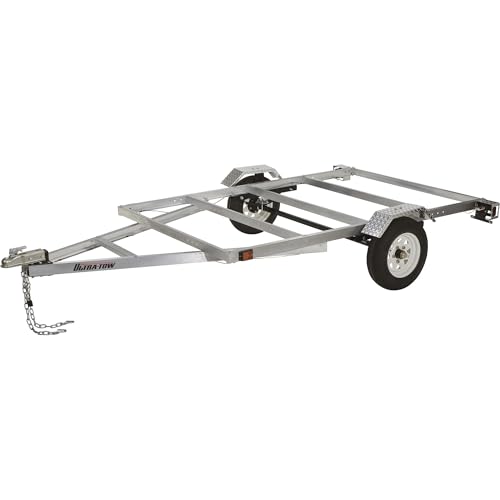
Ultra-tow Aluminum Utility Trailer Kit

The Ultra-Tow 5ft. x 8ft. Aluminum Utility Trailer Kit with a 1715-Lb. load capacity is ideal for homeowners, small business owners, and outdoor enthusiasts who need a reliable and lightweight trailer for transporting equipment, tools, and recreational gear. If you require a durable trailer that offers easy towing and versatility for various hauling tasks, this trailer kit is a perfect choice.
Pros:
- Lightweight aluminum construction making it easier to tow and maneuver.
- Strong 1715-lb. load capacity suitable for a wide range of hauling needs.
- Compact 5ft. x 8ft. size ideal for smaller vehicles and storage convenience.
- Durable design from a trusted brand, Ultra-Tow, ensuring quality and reliability.
Cons:
- Weight of 265.6 pounds might require some effort during assembly or manual handling.
- Limited size may not accommodate very large or bulky items.
The Ultra-Tow Aluminum Utility Trailer Kit stands out due to its robust yet lightweight aluminum frame, which significantly reduces the overall weight compared to steel trailers. This design benefit translates to improved fuel efficiency and easier towing, especially for smaller vehicles. Its 1715-lb. load capacity ensures that it can handle a variety of hauling jobs, from gardening supplies to recreational equipment, without compromising stability or safety.
Additionally, the trailer’s compact dimensions of 5ft. x 8ft. make it an excellent choice for those with limited storage space or who need a trailer that can navigate tight spaces. The kit format allows for straightforward assembly, providing users with a customizable and practical solution for their towing needs. Overall, this trailer balances strength, portability, and convenience for a broad range of users.
Frequently Asked Questions
What Are The Benefits Of Aluminum Travel Trailers?
Aluminum trailers are lightweight, rust-resistant, and easier to tow. They offer better fuel efficiency and require less maintenance. Aluminum also provides a modern look with good durability, making it a popular choice for travel trailers.
How Do Fiberglass Trailers Compare In Durability?
Fiberglass trailers are highly durable and resistant to dents and corrosion. They offer superior insulation and a sleek finish. However, they can be heavier and more expensive than aluminum trailers.
Which Trailer Material Is Better For Towing Efficiency?
Aluminum trailers are generally lighter, improving towing efficiency and reducing fuel consumption. Fiberglass trailers tend to be heavier, which may affect towing performance and require stronger vehicles.
Are Maintenance Costs Different Between Aluminum And Fiberglass Trailers?
Aluminum trailers usually have lower maintenance costs due to rust resistance and easier repairs. Fiberglass trailers may need specialized care for cracks or surface damage, potentially increasing upkeep expenses.
Do Fiberglass Trailers Offer Better Insulation Than Aluminum?
Yes, fiberglass trailers provide better insulation, keeping interiors cooler in summer and warmer in winter. Aluminum trailers often need additional insulation to match this comfort level.
Conclusion
Choosing between fiberglass and aluminum travel trailers depends on your needs. Fiberglass trailers are strong, quiet, and offer good insulation. Aluminum trailers are lighter and often less expensive. They resist rust well but may be noisier on the road. Consider how much weight you can tow and your budget.
Think about where you will travel and the weather conditions you expect. Both materials have their pros and cons. Your decision should match your priorities for durability, weight, and comfort. Take time to compare features and prices before buying. This helps you get the best trailer for your adventures.
Whether you pick fiberglass or aluminum, enjoy your travels with confidence and ease.
