Is it safe for Americans to travel to Colombia? Many wonder about safety before visiting this vibrant country.
Colombia offers rich culture, beautiful landscapes, and warm people. Safety concerns exist but vary by region. Cities like Bogotá and Medellín have improved security, with popular tourist spots being generally safe. Travelers should stay alert, avoid risky areas, and follow local advice.
Knowing basic Spanish helps with communication and safety. Health precautions and travel insurance add extra protection. Understanding local customs and laws also prevents trouble. Colombia welcomes tourists but taking simple safety steps makes a visit more enjoyable. This guide helps Americans decide if and how to explore Colombia safely.
Driving In Colombia

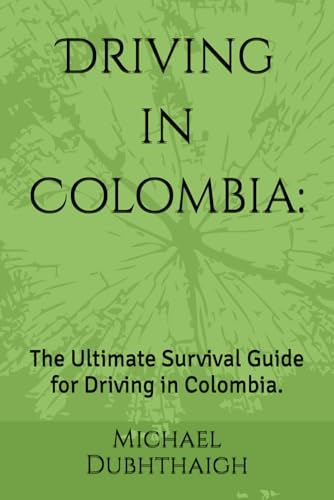
The Driving in Colombia: The Ultimate Survival Guide for Driving in Colombia is ideal for travelers, expatriates, and anyone planning to navigate the roads of Colombia independently. Whether you’re a first-time visitor or someone looking to better understand local driving customs, this guide is designed to equip you with essential knowledge to drive safely and confidently in Colombia.
Pros:
- Comprehensive coverage of Colombian driving laws and road conditions
- Compact and easy-to-carry size with 75 pages of detailed information
- Published recently in 2025, ensuring up-to-date content
- Written by an independent publisher offering unbiased advice
- Practical tips for dealing with common driving challenges in Colombia
Cons:
- Limited to 75 pages, which may not cover extremely detailed scenarios
- Physical book format may not be as convenient as digital versions for some users
- Focuses exclusively on Colombia, which may not be useful for driving in neighboring countries
This guide provides clear and practical insights into the unique aspects of driving in Colombia, including navigating diverse road types, understanding local traffic rules, and preparing for unexpected situations. Its compact dimensions (9.0 inches by 6.0 inches) make it a convenient companion during your travels without adding bulk to your luggage. The updated content reflects the latest regulations and road safety practices, helping users stay informed about current standards.
Additionally, the book’s straightforward language and structure allow readers to quickly grasp essential information, making it an excellent resource for both novice and experienced drivers. By mastering the tips and advice shared in this guide, users can enhance their driving confidence, reduce risks on the road, and enjoy a smoother travel experience throughout Colombia.
Colombia: Pocket Travel Guide

The COLOMBIA: POCKET TRAVEL GUIDE (Pocket Travel Guides) is perfect for travelers who want a concise and easy-to-carry resource. Ideal for tourists, backpackers, and explorers planning a trip to Colombia, this guide provides essential information without overwhelming detail, making it suitable for those who prefer quick references on the go.
Pros:
- Compact size with only 6 pages for easy portability.
- Up-to-date information as of November 2023.
- Focuses on key travel tips and highlights for efficient trip planning.
- Lightweight and easy to carry anywhere during travel.
Cons:
- Limited depth due to its brief 6-page format.
- May lack detailed maps or extensive cultural insights.
- Not ideal for travelers seeking comprehensive guides with exhaustive content.
This travel guide provides travelers with a streamlined overview of Colombia, emphasizing essential destinations, local tips, and must-see attractions. The compact format ensures it fits easily into a pocket or small bag, allowing users to quickly access information without flipping through bulky books. Its recent publication date means the content reflects the latest travel conditions and recommendations.
By focusing on brevity and clarity, the guide helps users save time while still gaining valuable insights into the country. It is especially beneficial for spontaneous travelers or those with limited time who want a reliable snapshot of Colombia’s highlights and travel essentials. Overall, this pocket guide balances convenience with practical information, making it a handy companion for on-the-go exploration.
Driving In Colombia: The Ultimate Survival Guide For Driving In Colombia
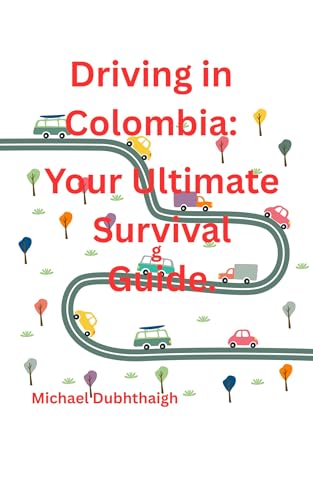
Driving in Colombia: The Ultimate Survival Guide for Driving in Colombia is ideal for travelers, expatriates, and anyone planning to navigate the diverse roads of Colombia. If you want to ensure a safe, confident, and well-informed driving experience in this vibrant country, this guidebook is designed specifically for you. It caters to both beginners and experienced drivers who seek practical tips and local insights.
Pros:
- Comprehensive coverage of Colombian driving laws and customs.
- Clear, concise advice tailored for both urban and rural driving conditions.
- Compact 59-page format makes it easy to carry and reference on the go.
- Authored by Michael Dubhthaigh, an expert familiar with Colombia’s road culture.
- Up-to-date information with a publication date of March 18, 2025.
Cons:
- Limited to 59 pages, which may restrict in-depth coverage of some complex topics.
- Focuses solely on driving in Colombia, so not suitable for those seeking broader travel tips.
This guidebook offers detailed insights into Colombia’s unique driving environment, including traffic regulations, road safety tips, and common challenges faced by drivers. Readers will benefit from practical strategies to handle everything from bustling city streets to remote mountain roads, enhancing their overall travel experience. The author’s expertise ensures that the information is both reliable and relevant, helping users avoid common pitfalls.
Additionally, the guide emphasizes cultural nuances and local driving etiquette, which can be crucial for smooth interactions with other drivers and authorities. Its user-friendly layout allows quick access to essential information, making it a valuable companion for anyone behind the wheel in Colombia. By understanding these key features, drivers can enjoy greater confidence, safety, and enjoyment during their journeys.
Africa Investigates: Liberia: Living With Ebola

Africa Investigates: Liberia: Living with Ebola is ideal for viewers interested in real-life investigative journalism and those who want to gain a deeper understanding of the Ebola outbreak in Liberia. It is perfect for individuals passionate about public health crises, global epidemics, and the human stories behind medical emergencies.
Pros:
- In-depth investigative reporting that uncovers the realities of living through the Ebola epidemic.
- Human-centered storytelling that highlights the struggles and resilience of affected communities.
- Educational value for those interested in epidemiology and public health responses.
- Authentic footage and interviews providing a raw and unfiltered perspective.
Cons:
- Lack of detailed technical specifications or scientific data.
- The emotional intensity may be challenging for sensitive viewers.
- Limited availability depending on regional access to the documentary.
This documentary offers a compelling look into how the people of Liberia coped with the devastating Ebola virus epidemic. Through powerful visuals and firsthand accounts, it highlights the significant challenges faced by healthcare workers and the community. The feature serves as a crucial educational tool by raising awareness about the social and medical impacts of such outbreaks.
Viewers gain insight into the complexities of managing an epidemic in a resource-limited setting, emphasizing the importance of global health support and preparedness. The narrative also explores themes of fear, hope, and resilience, making it not only informative but deeply humanizing for audiences worldwide.
Military Medicine: Beyond The Battlefield

Military Medicine: Beyond the Battlefield is ideal for healthcare professionals, military personnel, medical students, and history enthusiasts who are interested in understanding the advanced medical practices developed through military experience. This item is perfect for those who want to explore how battlefield innovations have transformed modern medicine and improved trauma care both in and out of combat zones.
Pros:
- Provides in-depth insight into the evolution of military medical techniques
- Highlights real-world applications of medical advancements from the battlefield to civilian healthcare
- Offers valuable knowledge for both medical professionals and military historians
- Enhances understanding of trauma care and emergency response
Cons:
- Lacks detailed technical specifications or clinical guidelines
- May be too specialized for casual readers without medical or military background
Military Medicine: Beyond the Battlefield explores the critical advancements in healthcare that originated within military contexts and have since influenced civilian medical practices. The item delves into how battlefield experiences have driven innovation in trauma treatment, surgical techniques, and emergency response protocols, offering readers a comprehensive look at these life-saving developments. Understanding these features provides users with a unique perspective on how military challenges have shaped modern medicine.
By examining the practical benefits of military medical advancements, this item illustrates how improved trauma care methods have resulted in higher survival rates and better recovery outcomes for both soldiers and civilians. Its content emphasizes the transfer of knowledge from battlefield hospitals to everyday healthcare settings, making it an invaluable resource for those seeking to enhance their understanding of medical progress driven by military necessity.
Frequently Asked Questions
Is It Safe For Americans To Drive In Colombia?
Yes, Americans can drive safely in Colombia by following local traffic laws. Roads vary from highways to rural paths. Stay alert, avoid night driving in remote areas, and use GPS for navigation. Renting a reliable car and purchasing insurance is recommended for a safer experience.
What Are The Key Safety Tips For Traveling In Colombia?
Always stay in well-known areas and avoid isolated places. Use registered taxis or rideshare apps. Keep your belongings secure and be cautious with strangers. Stay updated on local news and follow travel advisories from the U. S. State Department for the latest safety information.
Are There Any Travel Restrictions For Americans In Colombia?
Currently, Americans face no major travel restrictions to Colombia. However, always check entry requirements before traveling. COVID-19 protocols may apply, including vaccination or testing. Visa policies are generally straightforward for tourism, but confirm with official sources before your trip.
How Safe Is Public Transportation In Colombia?
Public transportation in Colombia varies in safety. Urban buses and metro systems in major cities are generally safe. Avoid overcrowded buses and late-night travel. Use official taxi services or rideshare apps for better security. Always stay alert and keep your belongings close.
What Should Americans Know About Colombia’s Health Risks?
Colombia has some health risks like dengue fever and Zika virus. Use insect repellent and wear long sleeves in mosquito-prone areas. Drink bottled water and avoid street food if you have a sensitive stomach. Consult your doctor about recommended vaccinations before traveling.
Conclusion
Traveling to Colombia can be safe when you take simple steps to stay alert and prepared. Follow local advice and avoid risky areas, especially at night. Use trusted transportation and keep your belongings secure. Learning a few basic Spanish phrases helps communicate better and stay safe.
Colombia offers beautiful places and warm people, but safety depends on your actions. Stay informed about current news before your trip. Plan well and respect local customs. With care and common sense, your visit to Colombia can be enjoyable and worry-free.
Safe travel is about being smart, not scared. So, pack your bags with knowledge and confidence. Colombia awaits with many adventures, ready for those who travel wisely.
