Recruitment in travel and tourism faces unique challenges due to high demand and seasonal work. Finding and keeping skilled workers is vital for success in this field.
The travel and tourism industry depends on a strong workforce to deliver great experiences. Many businesses struggle with hiring because jobs often involve irregular hours and busy seasons. Millennials, now a large part of the workforce, seek meaningful work and good work-life balance.
This creates pressure on human resource managers to find new ways to attract and keep talent. Employers also need to manage costs carefully, especially in sectors like food service and hospitality. Digital tools and sustainability practices shape how companies handle recruitment and employee management. Understanding these issues helps businesses stay competitive and meet customer expectations.
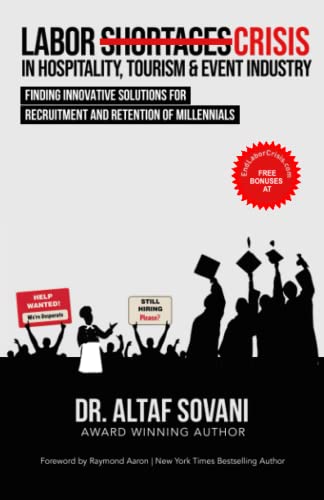
Labor Crisis In Hospitality, Tourism & Event Industry

This book is ideal for hospitality, tourism, and event industry professionals, particularly those involved in human resources, recruitment, and management. It is tailored for businesses struggling with the ongoing labor crisis and seeking innovative solutions to attract and retain millennial employees in a highly competitive job market.
Pros:
- Provides in-depth analysis of the labor challenges specific to the hospitality and tourism sectors.
- Offers practical strategies for recruitment and retention tailored to millennials.
- Includes up-to-date insights from a 2022 publication, ensuring relevance to current market trends.
- Compact and accessible format with 156 pages for a comprehensive yet manageable read.
- Produced by 10-10-10 Publishing, known for quality industry-focused content.
Cons:
- May be too specialized for readers outside the hospitality, tourism, or event management fields.
- Focuses primarily on millennial workforce, potentially overlooking other generational challenges.
- Physical dimensions and weight might make it less convenient for on-the-go reading compared to digital formats.
The book delves into the root causes of the ongoing labor shortages in the hospitality, tourism, and event industries, highlighting the unique expectations and values of the millennial workforce. It explores how traditional recruitment methods often fail to engage this demographic and presents innovative approaches such as leveraging technology, enhancing workplace culture, and offering flexible work arrangements. These features are designed to help employers create a more attractive and supportive environment for millennials, leading to improved employee satisfaction and reduced turnover rates.
Additionally, the publication discusses retention strategies that focus on career development, meaningful engagement, and recognition, which are critical to maintaining a motivated millennial workforce. By integrating these insights, businesses can not only fill vacancies more efficiently but also foster loyalty and long-term commitment among employees. This makes the book a valuable resource for managers and HR professionals aiming to navigate the challenges of the current labor market effectively.
Human Resources Management In The Hospitality Industry

Ideal for hospitality professionals, HR managers, and business students seeking in-depth knowledge on managing human resources within the fast-paced hospitality industry, this book offers practical insights and strategies tailored to this unique sector. If you want to enhance your understanding of workforce management specifically for hotels, restaurants, and other hospitality settings, this is the perfect resource.
Pros:
- Comprehensive coverage of HR principles tailored to hospitality
- Detailed case studies and real-world examples
- Extensive content with 504 pages for thorough learning
- Published by reputable manufacturer Wiley
- Compact and manageable size with dimensions suitable for easy handling
Cons:
- First edition, so some information may be outdated since publication in 2008
- Weight of over 2 pounds may make it less portable for some users
- Focused specifically on hospitality, limiting applicability to other industries
This book’s detailed approach to human resources in the hospitality sector makes it an invaluable tool for those aiming to improve employee management, recruitment, and retention in hotels, restaurants, and related businesses. Its structured content allows readers to grasp complex HR functions while applying them to real hospitality challenges, fostering better workplace environments and operational efficiency.
With a strong emphasis on practical application, the book also highlights strategies for handling diverse teams and understanding labor laws relevant to hospitality. Readers benefit from clear explanations and actionable advice, which can lead to improved staff satisfaction and business success. The physical dimensions and layout make it a user-friendly reference for both study and professional use.
Tourism And Travel In Ireland

The book Tourism and travel in Ireland is ideal for travelers, students, and professionals interested in exploring the rich culture and scenic beauty of Ireland. It is perfect for those seeking an in-depth understanding of Ireland’s tourism industry and travel destinations, as well as individuals planning a visit who want comprehensive insights and practical information.
Pros:
- Provides detailed information with 226 pages covering various aspects of Irish tourism.
- Published by CERT, ensuring credible and well-researched content.
- Includes historical and cultural context to enhance travel experiences.
Cons:
- Publication date from 1993, which may mean some information is outdated.
- Lacks recent developments and modern travel trends in Ireland.
Tourism and travel in Ireland offers a comprehensive overview of Ireland’s travel landscape, highlighting popular destinations, cultural landmarks, and tourism infrastructure. Readers can benefit from its extensive coverage, gaining valuable insights that help in planning meaningful trips. The book’s thorough approach provides a solid foundation for understanding the dynamics of Irish tourism.
Despite being published in 1993, the book remains a useful resource for historical perspectives and foundational knowledge. The detailed descriptions and cultural explanations enrich the reader’s appreciation of Ireland’s heritage. However, users should complement this resource with more current materials to stay updated on recent tourism developments and travel advisories.
The Food Service Professionals Guide To Controlling Liquor Wine & Beverage Costs

The Food Service Professionals Guide To: Controlling Liquor Wine & Beverage Costs is ideal for restaurant managers, bar owners, and hospitality industry professionals who want to effectively manage and reduce their beverage expenses. If you are looking to enhance your knowledge of cost control, inventory management, and profit maximization in the food and beverage sector, this guide is tailored for you.
Pros:
- Comprehensive coverage of liquor, wine, and beverage cost control techniques
- Practical strategies for inventory management and waste reduction
- Easy-to-understand format with clear explanations
- Compact size (8.8 x 6.0 x 0.33 inches) and lightweight for convenient use
- Published by a reputable source, Atlantic Publishing Group, Inc.
Cons:
- Publication date is from 2003, so some industry trends may be outdated
- Limited to 144 pages, which may not cover highly specialized topics in-depth
This guide provides detailed insights into controlling costs related to liquor, wine, and beverages, which are often significant expense areas for food service businesses. The book breaks down complex financial concepts into actionable steps, helping professionals implement effective cost-saving measures. Its practical advice on inventory tracking and portion control can lead to measurable improvements in profitability.
Additionally, the guide is designed with the busy professional in mind, offering a concise yet thorough resource that fits easily into a manager’s toolkit. By applying the principles outlined in this book, businesses can reduce waste, prevent theft, and better understand pricing strategies, ultimately leading to stronger financial performance.
Managing Employees In Foodservice Operations

Managing Employees in Foodservice Operations (Foodservice Operations: The Essentials) is ideal for restaurant managers, supervisors, and aspiring leaders in the foodservice industry who want to enhance their team management skills. This book is perfect for those seeking practical guidance on effectively overseeing staff, improving workplace communication, and optimizing employee performance in a fast-paced foodservice environment.
Pros:
- Comprehensive coverage of employee management tailored to foodservice operations
- Clear, practical strategies for handling common workforce challenges
- Easy-to-understand language suitable for both new and experienced managers
- Compact and portable size with 352 pages packed with valuable content
- Published by Wiley, a trusted name in educational resources
Cons:
- Focused primarily on foodservice, limiting applicability to other industries
- First edition may have minor updates or additions in future versions
- May require supplementary materials for in-depth labor law details
This book’s 8.999982-inch height, 5.901563-inch length, and lightweight design make it convenient for busy managers to carry and reference on the go. With a total of 352 pages, it thoroughly explores key topics such as staffing, training, motivation, and conflict resolution within foodservice operations. The content is structured to help readers develop practical skills that directly translate to improved employee satisfaction and productivity.
Additionally, the 2024 publication date ensures that the information is current and aligned with modern foodservice industry standards. By applying the concepts in this book, managers can foster a positive workplace culture, reduce turnover, and ultimately enhance the overall efficiency of their operations. Wiley’s reputation for quality educational materials further supports the reliability and value of this essential resource.
Hr Practices In The Hospitality Sector

The book HR Practices in the Hospitality Sector is ideal for HR professionals, hospitality managers, and students aiming to deepen their understanding of effective human resource management within the dynamic hospitality industry. Whether you are looking to enhance employee engagement, streamline recruitment, or improve retention strategies, this resource offers valuable insights tailored specifically for the sector.
Pros:
- Comprehensive coverage of hospitality-specific HR challenges and solutions
- Published by Educohack Press ensuring credible and well-researched content
- Latest edition (PublishDrive, 2025) reflecting up-to-date trends and practices
- Practical strategies for employee motivation, training, and performance management
Cons:
- Focuses primarily on the hospitality sector, limiting applicability to other industries
- Requires some prior knowledge of basic HR concepts for best comprehension
- May be less useful for small-scale hospitality businesses due to emphasis on larger organizational practices
This edition of HR Practices in the Hospitality Sector provides an in-depth exploration of the unique human resource challenges faced by hotels, restaurants, and other hospitality businesses. It covers essential topics such as recruitment, training, employee engagement, and legal compliance, equipping readers with actionable tools to build a motivated and efficient workforce. The book’s focus on sector-specific case studies enhances the practical value for readers working within hospitality environments.
By integrating the latest trends and research, this publication empowers HR managers to implement strategies that improve staff retention and overall service quality. Readers benefit from a clear understanding of how to align HR functions with organizational goals, fostering a positive work culture that drives business success. Overall, this resource is a vital asset for anyone aiming to excel in hospitality human resource management.
Airline Customer Experience

The book Airline Customer Experience: Digitalization in Passenger Services is ideal for airline industry professionals, digital transformation specialists, and customer experience managers seeking to enhance passenger satisfaction through technology. It is also valuable for researchers and students interested in the intersection of aviation and digital innovation.
Pros:
- Comprehensive coverage of digitalization trends in airline passenger services
- Insights from a reputable manufacturer, Routledge
- Detailed analysis over 385 pages providing in-depth knowledge
- Up-to-date content with a recent publication date in 2025
- Practical strategies for improving customer experience through technology
Cons:
- May be too technical for casual readers or non-specialists
- Focuses primarily on digitalization, which may limit broader industry topics
- Single edition may lack updates on rapidly evolving technologies
This edition of Airline Customer Experience: Digitalization in Passenger Services explores how airlines are transforming passenger interactions by leveraging cutting-edge digital tools. The book highlights key innovations such as mobile check-ins, personalized in-flight entertainment, and real-time service updates, providing readers with a clear understanding of the technologies shaping the future of air travel. These features not only streamline operations but also significantly enhance passenger convenience and satisfaction.
Additionally, the book discusses the strategic benefits for airlines adopting digitalization, including increased operational efficiency and stronger customer loyalty. By integrating digital platforms, airlines can gather valuable data to tailor services to individual needs, resulting in a more personalized travel experience. This comprehensive guide thus equips industry stakeholders with the knowledge to implement effective digital solutions that improve the overall passenger journey.
Critical Questions In Sustainability And Hospitality

The book Critical Questions in Sustainability and Hospitality is ideal for academics, industry professionals, and students who are deeply interested in exploring the intersection of sustainability and the hospitality sector. Those looking to enhance their understanding of sustainable practices within hospitality, or seeking thoughtful analysis on environmental, social, and economic challenges in this field, will find this edition invaluable.
Pros:
- Comprehensive coverage of sustainability issues specific to hospitality.
- Published by reputable manufacturer Routledge, ensuring quality content.
- Up-to-date insights with the 1st edition released in 2023.
- Detailed analysis spread over 380 pages for in-depth study.
Cons:
- May be too specialized for casual readers or general sustainability enthusiasts.
- Lengthy content might be overwhelming for those seeking quick summaries.
This book offers a thorough exploration of critical sustainability questions tailored to the hospitality industry, making it a vital resource for those committed to integrating eco-friendly and socially responsible practices. Its extensive content allows readers to grasp complex concepts and apply them to real-world hospitality challenges, fostering a more sustainable future in the sector.
With its recent publication date, the book incorporates the latest research and trends, ensuring that readers are equipped with current knowledge. The detailed pages provide case studies, theoretical frameworks, and practical examples, benefiting professionals who aim to implement sustainable strategies effectively in their operations.
Human Resource Management In The Indian Tea Industry

Ideal for HR professionals, academics, and industry stakeholders interested in the Indian tea sector, this book offers specialized insights into human resource management tailored to this unique industry. It is particularly beneficial for those looking to understand workforce dynamics, labor relations, and management practices within the context of Indian tea plantations.
Pros:
- Provides an in-depth analysis of HR practices specific to the Indian tea industry.
- Concise with just 106 pages, making it a focused and manageable read.
- Published by Routledge, ensuring academic rigor and credibility.
- Includes up-to-date information as of its 2021 publication date.
Cons:
- Limited to the Indian tea industry, which may not appeal to a broader audience.
- Being a brief edition, some topics may not be covered in extensive detail.
- Primarily academic, potentially less accessible for casual readers or beginners.
The book Human Resource Management in the Indian Tea Industry explores the unique challenges and opportunities faced by HR managers working within this traditional sector. It examines key aspects such as labor welfare, recruitment, training, and industrial relations, providing readers with a nuanced understanding of workforce management in tea plantations. The focus on a niche market allows for targeted strategies that can improve productivity and employee satisfaction.
With its clear presentation and focused content, this edition equips readers with practical knowledge and theoretical frameworks that are essential for managing human resources effectively in this domain. By addressing both contemporary issues and historical context, the book serves as a valuable resource for anyone aiming to enhance HR practices in the Indian tea industry or similar agricultural sectors.
Frequently Asked Questions
What Causes The Labor Crisis In Travel And Tourism Recruitment?
The labor crisis stems from high turnover, skill gaps, and low appeal among millennials. Economic shifts and pandemic impacts also reduce workforce availability. Innovative recruitment and retention strategies are essential to address these challenges in hospitality and tourism sectors.
How Can Hr Improve Recruitment In Hospitality Industry?
HR can enhance recruitment by using digital tools, offering flexible jobs, and focusing on employer branding. Engaging millennials through training, career growth, and inclusive culture boosts attraction and retention in hospitality roles.
What Makes Tourism Recruitment Unique In Ireland?
Ireland’s tourism recruitment is shaped by seasonal demand and cultural heritage. Language skills, local knowledge, and hospitality experience are vital. Recruitment focuses on balancing quality service with fluctuating visitor numbers throughout the year.
How To Control Beverage Costs In Food Service Operations?
Controlling beverage costs requires inventory tracking, portion control, and supplier negotiation. Training staff on waste reduction and sales monitoring improves profitability. These measures help maintain budget and quality in food service businesses.
What Are Key Hr Practices In Hospitality Sector?
Key HR practices include effective onboarding, employee engagement, and continuous training. Performance management and recognizing staff contributions improve retention. These practices create a motivated workforce in fast-paced hospitality environments.
How Does Digitalization Enhance Airline Customer Experience?
Digitalization streamlines booking, check-in, and boarding processes. Personalized services and real-time updates improve passenger satisfaction. Airlines use technology to reduce wait times and enhance overall travel convenience.
Conclusion
Recruitment in travel and tourism faces many challenges, especially with labor shortages and changing workforce needs. Employers must find new ways to attract and keep young workers. Good human resource management helps build strong teams and improve employee satisfaction. Training and clear communication are key to better service and lower staff turnover.
Digital tools also play a role in improving hiring and customer experience. Countries like Ireland show how tourism growth depends on skilled workers. Managing costs, including food and beverage expenses, supports business health. Sustainability and responsible practices are becoming more important in this sector.
Overall, success in travel and tourism recruitment depends on adapting to trends and meeting worker expectations. A balanced approach ensures long-term growth and happy customers. The future will reward businesses that invest in people and innovation. Simple, smart recruitment strategies can help the industry thrive.
