Machu Picchu offers a magical experience for travelers. Choosing the right time to visit makes all the difference.
This ancient Inca city sits high in the Peruvian Andes. Weather and crowds change throughout the year. The dry season, from May to September, brings clear skies and easier hiking. But it also draws many tourists. The wet season, from November to March, sees fewer visitors and lush green landscapes.
Trails can get slippery, though. Understanding entry rules and local culture enhances your trip. Planning your visit with these factors in mind helps you enjoy Machu Picchu fully. Whether hiking the Inca Trail or exploring nearby towns, timing affects your adventure and memories. This guide helps you pick the best time to explore this wonder of the world.
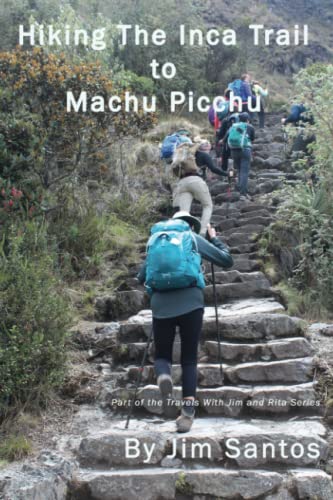
Hiking The Inca Trail To Machu Picchu

The book Hiking the Inca Trail to Machu Picchu (Travels With Jim and Rita) is ideal for adventure seekers and travel enthusiasts who are planning to explore the historic Inca Trail. It is perfect for readers looking for practical guidance, firsthand experiences, and inspiration to embark on this iconic trek to Machu Picchu. Whether you are a seasoned hiker or a curious traveler wanting to learn more about this journey, this book offers valuable insights.
Pros:
- Detailed firsthand account of hiking the Inca Trail with personal tips and advice
- Compact and easy-to-carry size with 133 pages of focused content
- Published recently in June 2022, ensuring up-to-date information
- Lightweight at approximately 0.42 pounds, perfect for travelers
- Independently published, offering a unique and authentic perspective
Cons:
- Limited depth due to the book’s relatively short length
- May lack comprehensive logistical details some hikers seek
- Not a professionally published guidebook, so formatting and editing might vary
This book offers a personal narrative that captures the essence of trekking the Inca Trail, providing readers with practical advice and vivid descriptions of the route’s stunning landscapes. The detailed recounting helps readers mentally prepare for the physical and cultural challenges they will face. Its manageable length and compact dimensions make it an accessible companion for travelers without overwhelming them with excessive detail.
Additionally, the book’s recent publication date ensures that the information is relevant for current travelers, reflecting recent trail conditions and travel tips. The lightweight design makes it easy to pack, while the author’s authentic voice enriches the experience, bringing the journey to life. Overall, it is a valuable resource for those seeking motivation and helpful insights before embarking on one of the world’s most famous hikes.
Frommer’s Easyguide To Lima, Cusco And Machu Picchu

The Frommer’s EasyGuide to Lima, Cusco and Machu Picchu is ideal for travelers who are planning to explore the rich cultural heritage and stunning landscapes of Peru. Whether you are a first-time visitor or a seasoned adventurer looking for detailed insights, this guidebook offers comprehensive information to help you navigate iconic destinations like Lima, Cusco, and the world-renowned Machu Picchu. It is especially useful for those who prefer a compact yet thorough travel resource that fits easily into a backpack or carry-on.
Pros:
- Compact and lightweight design measuring 8.0 x 5.25 x 0.75 inches, perfect for travel.
- Contains 288 pages filled with detailed maps, cultural tips, and practical advice.
- Published by the reputable brand FROMMER’S, ensuring reliable and well-researched content.
- Easy-to-follow layout that helps travelers plan day trips and explore off-the-beaten-path locations.
- Includes up-to-date information as of 2018, covering essential sights and experiences.
Cons:
- Some information might be slightly outdated due to the 2018 publication date.
- Limited weight might mean fewer in-depth historical details compared to larger guidebooks.
The Frommer’s EasyGuide to Lima, Cusco and Machu Picchu offers a balanced mix of cultural insights, practical travel tips, and vivid descriptions of Peru’s top attractions. Its user-friendly design allows travelers to quickly find information on local cuisine, transportation, accommodations, and must-see landmarks, enhancing the overall travel experience. The guidebook’s concise format makes it accessible for all types of travelers, from backpackers to families looking for a well-organized itinerary.
Additionally, the inclusion of detailed maps and suggested walking tours helps users maximize their time and avoid common tourist pitfalls. The guidebook’s focus on the most popular destinations like Machu Picchu ensures that readers receive expert advice on how to best enjoy these historical sites. Overall, this travel companion is an excellent choice for anyone seeking a dependable, easy-to-carry resource when exploring Peru’s vibrant cities and breathtaking landscapes.
Machu Picchu Travel Guide 2025
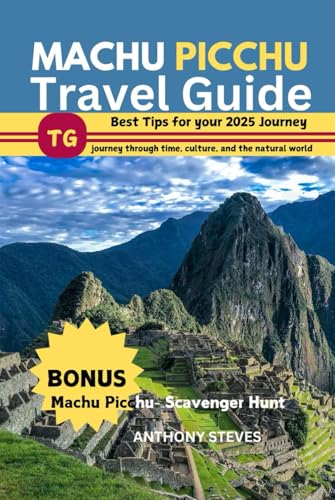
The MACHU PICCHU TRAVEL GUIDE 2025 is perfect for travelers who are eager to explore the rich history and breathtaking landscapes of Peru while avoiding the usual tourist crowds. Ideal for solo adventurers, couples, and cultural enthusiasts, this guide provides essential tips and detailed insights for anyone planning a memorable visit to one of the world’s most iconic destinations. If you want to experience Machu Picchu with ease and confidence, this guide is tailored for you.
Pros:
- Offers expert tips on beating the crowds and finding the best times to visit
- Comprehensive coverage of entry requirements and travel logistics
- Rich descriptions of Peru’s culture and the natural environment surrounding Machu Picchu
- Compact and easy-to-carry dimensions: 9.0 x 6.0 inches with only 0.47 pounds weight
- Up-to-date information with a publication date of December 2024
Cons:
- Limited to 103 pages, which may not cover every detailed itinerary
- Being independently published, it might lack the extensive visuals found in larger guidebooks
- Focuses mainly on Machu Picchu, so less information on other parts of Peru
The guide’s compact size and thorough content make it an excellent companion for travelers who want to maximize their time in Machu Picchu without getting overwhelmed. It skillfully blends practical travel advice with fascinating cultural and historical narratives, giving users a holistic understanding of the site and its surroundings. This helps visitors appreciate not only the iconic ruins but also the journey through Peru’s vibrant past and natural beauty.
Additionally, the guide’s up-to-date tips on navigating entry requirements and seasonal considerations ensure a hassle-free experience. By following the strategies for avoiding crowds and timing your visit, travelers can enjoy a more intimate and peaceful exploration of Machu Picchu. Overall, this travel guide empowers visitors to plan confidently and enrich their trip with meaningful insights.
Turn Right At Machu Picchu

Turn Right at Machu Picchu: Rediscovering the Lost City One Step at a Time is ideal for avid travelers, history enthusiasts, and readers fascinated by ancient civilizations. Those who seek an immersive experience into the mysteries of Machu Picchu and want to explore the cultural and historical significance of the site through a compelling narrative should consider this book. It is perfect for anyone looking to deepen their understanding of one of the world’s most iconic archaeological wonders.
Pros:
- Detailed exploration of Machu Picchu’s history and significance
- Engaging storytelling that combines travelogue and historical insights
- Compact size with dimensions of 7.98 x 5.2 x 0.79 inches, making it easy to carry
- 333 pages filled with rich content suitable for in-depth reading
- Multicolor edition that enhances visual appeal
- Reprint edition ensuring availability and updated content
Cons:
- Weight of 0.65 pounds may be slightly heavy for some readers preferring ultra-light books
- Publication date from 2012 might lack the latest archaeological discoveries
- Focused primarily on Machu Picchu, which might limit appeal for readers seeking broader travel topics
This book, produced by Dutton, offers an intimate and vivid journey through Machu Picchu, blending historical research with personal narrative. Readers benefit from the author’s unique perspective, which brings the lost city to life one step at a time. The detailed descriptions and cultural insights make it an invaluable resource for understanding the significance of this UNESCO World Heritage site beyond just the typical tourist experience.
The compact and multicolor design of the book enhances its usability and enjoyment, making it easy to bring along on trips or to read comfortably at home. Its considerable length of 333 pages ensures a thorough exploration of the topic, providing depth without overwhelming the reader. Whether you are planning a visit or simply wish to explore Machu Picchu from your armchair, this book offers both educational value and engaging content that enriches your appreciation of this ancient marvel.
Frequently Asked Questions
When Is The Best Time To Hike The Inca Trail?
The best time to hike the Inca Trail is from May to September. This dry season offers clear skies and comfortable temperatures. Avoid February when the trail closes for maintenance. Booking early is essential due to limited daily permits.
How Can I Avoid Crowds At Machu Picchu?
Visit Machu Picchu early morning or late afternoon to avoid crowds. Traveling during the shoulder seasons, April-May or September-October, also helps. Booking tickets and permits in advance ensures a smoother experience and less waiting time.
What Are The Entry Requirements For Machu Picchu In 2025?
Visitors need a valid passport, a Machu Picchu ticket, and permits for the Inca Trail if hiking. COVID-19 regulations may apply, so check updated travel guidelines before your trip. Booking in advance is crucial as permits sell out fast.
How Does Weather Affect Visiting Machu Picchu?
Machu Picchu’s weather varies with the seasons. The dry season (May-September) offers clear views and easier hiking. The wet season (November-March) brings rain, slippery trails, and fewer tourists. Always pack rain gear and dress in layers for comfort.
What Cultural Experiences Can I Expect Near Machu Picchu?
Near Machu Picchu, you’ll experience rich Andean culture, traditional Quechua communities, and ancient Inca ruins. Local markets offer handmade crafts and authentic cuisine. Guided tours explain the region’s history, spirituality, and connection to Peru’s natural world.
Conclusion
Choosing the right time to visit Machu Picchu makes your trip special and smooth. The dry season from May to September offers clear skies and great hiking conditions. But the wet season has fewer tourists and lush green views. Think about what matters most: weather, crowds, or prices.
Planning ahead helps with entry tickets and trail permits. Remember, Machu Picchu is not just a place; it’s a journey through history and nature. Every season shows a different side of this ancient wonder. Whether you want to hike the Inca Trail or explore the ruins quietly, timing is key.
Take your time to enjoy the culture and stunning landscapes. Your perfect visit depends on your preferences. So, prepare well and get ready to experience one of Peru’s greatest treasures. The right moment makes all the difference.
